Author: admin

  • From ML to AI Agents: The Only AI Explainer You’ll Ever Need

    From ML to AI Agents: The Only AI Explainer You’ll Ever Need

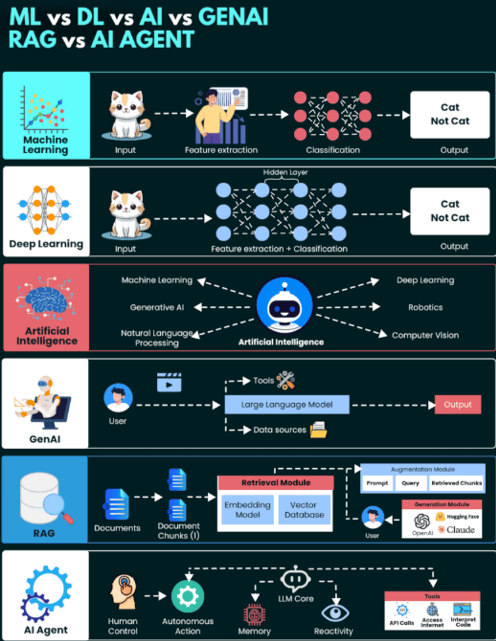
    ๐Œ๐‹ โ‰  ๐ƒ๐‹ โ‰  ๐€๐ˆ โ‰  ๐†๐ž๐ง๐€๐ˆ โ‰  ๐‘๐€๐† โ‰  ๐€๐ˆ ๐€๐ ๐ž๐ง๐ญ๐ฌ

    ๐‡๐ž๐ซ๐žโ€™๐ฌ ๐š ๐œ๐ฅ๐ž๐š๐ซ ๐›๐ซ๐ž๐š๐ค๐๐จ๐ฐ๐ง:๐Ÿ. ๐Œ๐š๐œ๐ก๐ข๐ง๐ž ๐‹๐ž๐š๐ซ๐ง๐ข๐ง๐  (๐Œ๐‹)Extract features manually. Train models to classify patterns.Example: Is this a cat or not?๐Ÿ. ๐ƒ๐ž๐ž๐ฉ ๐‹๐ž๐š๐ซ๐ง๐ข๐ง๐  (๐ƒ๐‹)Learns features + classification end-to-end. No hand-engineering.Built with neural networks and hidden layers.๐Ÿ‘. ๐€๐ซ๐ญ๐ข๐Ÿ๐ข๐œ๐ข๐š๐ฅ ๐ˆ๐ง๐ญ๐ž๐ฅ๐ฅ๐ข๐ ๐ž๐ง๐œ๐ž (๐€๐ˆ)An umbrella term for ML, DL, NLP, robotics, vision, and more.Think automation with intelligence.๐Ÿ’. ๐†๐ž๐ง๐ž๐ซ๐š๐ญ๐ข๐ฏ๐ž ๐€๐ˆ (๐†๐ž๐ง๐€๐ˆ)Users interact with LLMs that use tools and data sources to generate smart outputs.Example: ChatGPT, Claude, Gemini.๐Ÿ“. ๐‘๐ž๐ญ๐ซ๐ข๐ž๐ฏ๐š๐ฅ-๐€๐ฎ๐ ๐ฆ๐ž๐ง๐ญ๐ž๐ ๐†๐ž๐ง๐ž๐ซ๐š๐ญ๐ข๐จ๐ง (๐‘๐€๐†)Adds memory to GenAI.Brings external data (documents) into the LLM via embeddings and vector search.๐Ÿ”. ๐€๐ˆ ๐€๐ ๐ž๐ง๐ญ๐ฌTakes GenAI to the next level.Agents act autonomously using tools, memory, logic, and reasoning.They donโ€™t just respond, they do.

  • From Interaction to Intelligence: A Simple Guide to AI Agent Memory Design


    In traditional systems, memory is static data is stored and retrieved with little understanding of its meaning or evolution. But Agentic AI changes this entirely by introducing *contextual and evolving memory* that mimics how humans learn over time.

    ๐‡๐ž๐ซ๐ž ๐ข๐ฌ ๐ก๐จ๐ฐ ๐ฆ๐จ๐๐ž๐ซ๐ง ๐š๐ ๐ž๐ง๐ญ๐ข๐œ ๐ฆ๐ž๐ฆ๐จ๐ซ๐ฒ ๐ฐ๐จ๐ซ๐ค๐ฌ:

    ๐Ÿ. ๐๐จ๐ญ๐ž ๐‚๐จ๐ง๐ฌ๐ญ๐ซ๐ฎ๐œ๐ญ๐ข๐จ๐ง:
    Every interaction (e.g., user requests or events) is stored as a structured note containing timestamp, content, keywords, and embeddings. Instead of raw storage, the system captures meaning.

    ๐Ÿ. ๐‹๐ข๐ง๐ค ๐†๐ž๐ง๐ž๐ซ๐š๐ญ๐ข๐จ๐ง:
    When new input arrives, the memory system does not just retrieve randomly it surfaces the most relevant past interactions using top-k semantic retrieval. This allows the agent to *connect dots* between conversations.

    ๐Ÿ‘. ๐Œ๐ž๐ฆ๐จ๐ซ๐ฒ ๐„๐ฏ๐จ๐ฅ๐ฎ๐ญ๐ข๐จ๐ง:
    As the agent accumulates experiences, memory is not left untouched. It evolves merging similar insights, refining stored knowledge, and discarding whatโ€™s no longer useful.

    ๐Ÿ’. ๐Œ๐ž๐ฆ๐จ๐ซ๐ฒ ๐‘๐ž๐ญ๐ซ๐ข๐ž๐ฏ๐š๐ฅ:
    When a new query arrives, the system retrieves relevant notes, ranks them, and injects them into the agentโ€™s reasoning process, enabling coherent, human-like context recall.

    This approach is critical for building truly adaptive agents capable of remembering, learning, and improving over time.

    If prompts are short-term memory, agentic memory is long-term intelligence.

  • Master LLM Prompting Techniques: A Complete Guide

    Master LLM Prompting Techniques: A Complete Guide

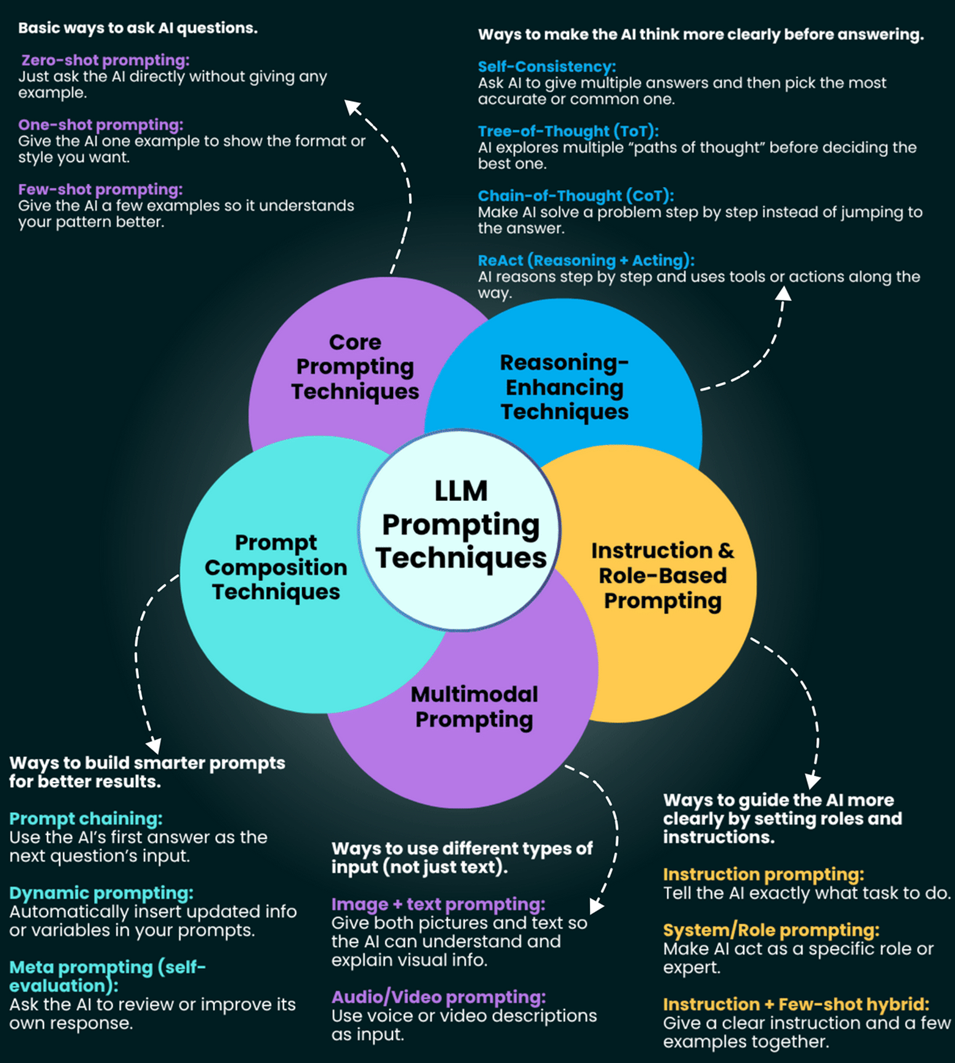
    ๐†๐จ๐จ๐ ๐ฉ๐ซ๐จ๐ฆ๐ฉ๐ญ๐ข๐ง๐  ๐ข๐ฌ๐งโ€™๐ญ ๐š๐›๐จ๐ฎ๐ญ ๐š๐ฌ๐ค๐ข๐ง๐  ๐›๐ž๐ญ๐ญ๐ž๐ซ ๐ช๐ฎ๐ž๐ฌ๐ญ๐ข๐จ๐ง๐ฌ ๐ข๐ญโ€™๐ฌ ๐š๐›๐จ๐ฎ๐ญ ๐ ๐ž๐ญ๐ญ๐ข๐ง๐  ๐›๐ž๐ญ๐ญ๐ž๐ซ ๐š๐ง๐ฌ๐ฐ๐ž๐ซ๐ฌ

    In most AI projects, the difference between mediocre outputs and powerful results often comes down to how prompts are designed.
    Thatโ€™s why understanding different prompting techniques is becoming a must-have skill for anyone working with LLMs.

    ๐‡๐ž๐ซ๐žโ€™๐ฌ ๐š ๐›๐ซ๐ž๐š๐ค๐๐จ๐ฐ๐ง ๐จ๐Ÿ ๐ญ๐ก๐ž ๐ฆ๐š๐ฃ๐จ๐ซ ๐‹๐‹๐Œ ๐ฉ๐ซ๐จ๐ฆ๐ฉ๐ญ๐ข๐ง๐  ๐ญ๐ž๐œ๐ก๐ง๐ข๐ช๐ฎ๐ž๐ฌ ๐ญ๐ก๐š๐ญ ๐œ๐š๐ง ๐๐ซ๐š๐ฆ๐š๐ญ๐ข๐œ๐š๐ฅ๐ฅ๐ฒ ๐ฅ๐ž๐ฏ๐ž๐ฅ ๐ฎ๐ฉ ๐ฒ๐จ๐ฎ๐ซ ๐ซ๐ž๐ฌ๐ฎ๐ฅ๐ญ๐ฌ:

    ๐Ÿ. ๐‚๐จ๐ซ๐ž ๐๐ซ๐จ๐ฆ๐ฉ๐ญ๐ข๐ง๐  ๐“๐ž๐œ๐ก๐ง๐ข๐ช๐ฎ๐ž๐ฌ
    * Zero-shot prompting: Ask the AI directly without giving examples.
    * One-shot prompting: Provide one example to set the format or structure.
    * Few-shot prompting: Share multiple examples so the model understands your intent better.

    ๐Ÿ. ๐‘๐ž๐š๐ฌ๐จ๐ง๐ข๐ง๐ -๐„๐ง๐ก๐š๐ง๐œ๐ข๐ง๐  ๐“๐ž๐œ๐ก๐ง๐ข๐ช๐ฎ๐ž๐ฌ
    * Self-consistency: Ask for multiple answers, then select the most accurate or common.
    * Tree-of-Thought: Let the model explore different reasoning paths before finalizing.
    * Chain-of-Thought: Force step-by-step reasoning instead of direct answers.
    ReAct: Combine reasoning with tool usage or actions.

    ๐Ÿ‘. ๐๐ซ๐จ๐ฆ๐ฉ๐ญ ๐‚๐จ๐ฆ๐ฉ๐จ๐ฌ๐ข๐ญ๐ข๐จ๐ง ๐“๐ž๐œ๐ก๐ง๐ข๐ช๐ฎ๐ž๐ฌ
    * Prompt chaining: Use the AIโ€™s previous response as the next input.
    * Dynamic prompting: Insert real-time or updated variables.
    * Meta prompting: Ask the AI to evaluate and improve its own output.

    ๐Ÿ’. ๐ˆ๐ง๐ฌ๐ญ๐ซ๐ฎ๐œ๐ญ๐ข๐จ๐ง ๐š๐ง๐ ๐‘๐จ๐ฅ๐ž-๐๐š๐ฌ๐ž๐ ๐๐ซ๐จ๐ฆ๐ฉ๐ญ๐ข๐ง๐ 
    * Instruction prompting: Give direct, clear instructions.
    * Role prompting: Ask the AI to act like a domain expert or specific persona.
    * Instruction + Few-shot: Combine clear instructions with examples for precision.

    ๐Ÿ“. ๐Œ๐ฎ๐ฅ๐ญ๐ข๐ฆ๐จ๐๐š๐ฅ ๐๐ซ๐จ๐ฆ๐ฉ๐ญ๐ข๐ง๐ 
    * Image + text prompting: Feed both text and visuals for richer context.
    * Audio/video prompting: Enable the model to interpret voice or video input.

    Prompting isnโ€™t just an input trick. Itโ€™s a structured approach to guide the AIโ€™s reasoning process and the difference shows in the quality of outputs.

    ๐–๐ก๐ข๐œ๐ก ๐จ๐Ÿ ๐ญ๐ก๐ž๐ฌ๐ž ๐ฉ๐ซ๐จ๐ฆ๐ฉ๐ญ๐ข๐ง๐  ๐ฌ๐ญ๐ซ๐š๐ญ๐ž๐ ๐ข๐ž๐ฌ ๐๐จ ๐ฒ๐จ๐ฎ ๐ฎ๐ฌ๐ž ๐ฆ๐จ๐ฌ๐ญ ๐จ๐Ÿ๐ญ๐ž๐ง ๐ข๐ง ๐ฒ๐จ๐ฎ๐ซ ๐ฐ๐จ๐ซ๐ค๐Ÿ๐ฅ๐จ๐ฐ๐ฌ?

  • Trends of AI 2025 Latest

    Trends of AI 2025 Latest

    Artificial Intelligence continues to evolve rapidly, driving innovation across industries. Here are key trends to watch in 2025:

    1. Agentic AI Systems

    AI agents that autonomously handle complex tasks, like managing dApps or trading assets, are gaining traction. These systems require minimal user input, making them ideal for Web3 applications.

    2. Human-AI Collaboration

    AI-generated content, like blog posts, performs best when paired with human oversight. Studies show human-assisted AI articles score higher in originality, readability, and SEO compared to fully AI-generated ones.

    3. Cognitive Architectures

    Advancements in AI cognitive frameworks, like those explored by OpenAI, enable models to process language and reasoning more akin to human thought. This is evident in how LLMs align with neural activity during conversations.

    4. AI in Software Development

    Tools like Copilot excel at recreating familiar code patterns but struggle to innovate new frameworks. Human creativity remains essential for groundbreaking tech advancements.

    AIโ€™s future lies in balancing automation with human ingenuity. Stay tuned to blogs like OpenAI, Towards Data Science, and Google Research for deeper insights.