I’ve been watching this shift. The lines between data, AI, and product are blurring. And it’s not being discussed much.
Last month, the Head of Data at a Retail company shared: “My team used to get tickets for dashboards. Now they’re getting asked to build agents that make decisions. I have no idea how to staff for that.”
He’s not alone.
Data teams are quietly becoming product teams.
Not because someone decreed it.
But because the work itself demands it.
When your “data pipeline” starts making decisions, it needs an owner, SLAs, feedback loops, and versioning.
Guess what? That’s product management 101.
I’m watching job descriptions evolve in real time.
AI Product Managers are the hardest to find.
The FDE role is going viral with AI companies.
The companies that get this are restructuring now.
The ones that don’t are still running their AI efforts like IT projects – and wondering why nothing makes it to production.
New roles are emerging:
𝐀𝐫𝐜𝐡𝐢𝐭𝐞𝐜𝐭𝐬 → 𝐎𝐫𝐜𝐡𝐞𝐬𝐭𝐫𝐚𝐭𝐨𝐫𝐬
Less “pick the database,” more “design the behavior of a system that runs 24/7 without supervision.”
𝐄𝐧𝐠𝐢𝐧𝐞𝐞𝐫𝐬 → 𝐑𝐞𝐥𝐢𝐚𝐛𝐢𝐥𝐢𝐭𝐲 𝐎𝐰𝐧𝐞𝐫𝐬
The bottleneck isn’t writing code faster. It’s building systems you can trust when they make desisions with LLMs connecting to APIs.
𝐃𝐚𝐭𝐚 𝐀𝐧𝐚𝐥𝐲𝐬𝐭𝐬 → 𝐎𝐮𝐭𝐜𝐨𝐦𝐞 𝐃𝐞𝐬𝐢𝐠𝐧𝐞𝐫𝐬
Not just reporting what happened, but shaping how AI systems synthesize information and make recommendations.
𝐏𝐌𝐬 → 𝐑𝐢𝐬𝐤 & 𝐈𝐦𝐩𝐚𝐜𝐭 𝐒𝐭𝐞𝐰𝐚𝐫𝐝𝐬
Every AI workflow creates measurable impact. Someone needs to monitor it, adjust it, and shut it down when it drifts.
𝐌𝐲 𝐭𝐚𝐤𝐞:
The teams shipping production AI are the ones who figured out that data + workflows + agents need to be treated as products – with ownership, accountability, and iteration baked in from day one.
Most companies are still structured for the old world. They’re trying to build autonomous AI systems with org charts designed for BI dashboards.
It’s like trying to run a software company with a manufacturing org chart.
𝐒𝐨 𝐡𝐞𝐫𝐞’𝐬 𝐰𝐡𝐚𝐭 𝐲𝐨𝐮 𝐧𝐞𝐞𝐝 𝐭𝐨 𝐭𝐡𝐢𝐧𝐤:
Are you structuring for the org you have… or the org you’re about to become?
Because six months from now, your CEO is going to ask you to deploy agents that handle customer support, process claims, or manage inventory.
And the question won’t be “do we have GPT-5 access?”
It’ll be: “Do we have people who know how to ship this safely, measure if it’s working, and iterate when it’s not?”
The companies restructuring now will have an answer.
If you’re a data, AI, or product leader navigating this shift, tell me in comments or DM me:
What roles are you creating?
What’s breaking in your current structure?
hashtag#futureofwork hashtag#aiagents hashtag#aiinwork hashtag#enterpriseai hashtag#aiteams
Author: host
-

How to professionally thrive in new AI world ?
-
How to make Agentic AI Workflow interesting ?
Your customers are screaming for help. Can you hear them?
Here’s the uncomfortable truth:
While you’re celebrating new sign-ups, some of your best customers are quietly walking toward the exit. And most teams don’t see it coming until it’s too late.
But what if AI could tap you on the shoulder before disaster strikes?
I just mapped out an Agentic AI workflow that’s basically a customer success team on steroids and it never sleeps.
Check out this powerful Agentic AI workflow that ensures no customer is left behind:
𝟏. 𝐃𝐚𝐭𝐚 𝐒𝐨𝐮𝐫𝐜𝐞𝐬:
You need real-time data to start the process. Product analytics, customer support systems, and email engagement tools are the foundational sources that collect risk signals.
𝟐. 𝐀𝐠𝐞𝐧𝐭 𝐎𝐫𝐜𝐡𝐞𝐬𝐭𝐫𝐚𝐭𝐢𝐨𝐧:
Raw signals are routed to specialized agents who are set up to take action based on risk severity.
𝟑. 𝐀𝐠𝐞𝐧𝐭 𝟏: 𝐀𝐝𝐨𝐩𝐭𝐢𝐨𝐧 𝐌𝐨𝐧𝐢𝐭𝐨𝐫:
This agent monitors customer health scores. If scores drop from 88 to 42, indicating usage decline, it triggers further action.
𝟒. 𝐀𝐠𝐞𝐧𝐭 𝟐: 𝐂𝐨𝐧𝐭𝐞𝐱𝐭 𝐒𝐲𝐧𝐭𝐡𝐞𝐬𝐢𝐳𝐞𝐫:
This agent pulls a 90-day timeline, analyzes tickets, and identifies root causes, giving a complete view of why the customer is at risk.
𝟓. 𝐏𝐫𝐨𝐜𝐞𝐬𝐬𝐢𝐧𝐠 𝐓𝐢𝐞𝐫𝐬:
Risk severity is categorized into high, medium, and low priorities, ensuring that each case is handled with the appropriate urgency.
𝟔. 𝐀𝐠𝐞𝐧𝐭 𝟑: 𝐏𝐥𝐚𝐲𝐛𝐨𝐨𝐤 𝐆𝐞𝐧𝐞𝐫𝐚𝐭𝐨𝐫:
Once the case is identified, this agent pulls predefined playbooks and generates an action plan tailored to address the customer’s unique situation.
𝟕. 𝐀𝐠𝐞𝐧𝐭 𝟒: 𝐂𝐨𝐦𝐦𝐮𝐧𝐢𝐜𝐚𝐭𝐢𝐨𝐧 𝐎𝐫𝐜𝐡𝐞𝐬𝐭𝐫𝐚𝐭𝐨𝐫:
This agent drafts emails, schedules Slack reminders, and triggers CRM notifications to keep everyone aligned and acting promptly.
𝟖. 𝐇𝐮𝐦𝐚𝐧 𝐑𝐞𝐯𝐢𝐞𝐰:
Although automated actions are initiated, human oversight ensures that decisions are backed by the right context and insights.
𝟗. 𝐈𝐧𝐭𝐞𝐫𝐯𝐞𝐧𝐭𝐢𝐨𝐧 𝐄𝐱𝐞𝐜𝐮𝐭𝐞𝐝:
The playbook is executed, and the customer is guided back on track, improving their engagement with the product.
𝟏𝟎. 𝐂𝐮𝐬𝐭𝐨𝐦𝐞𝐫 𝐎𝐮𝐭𝐜𝐨𝐦𝐞:
With the correct intervention, outcomes like increasing the health score from 42 to 78 and saving $50K ARR become a reality.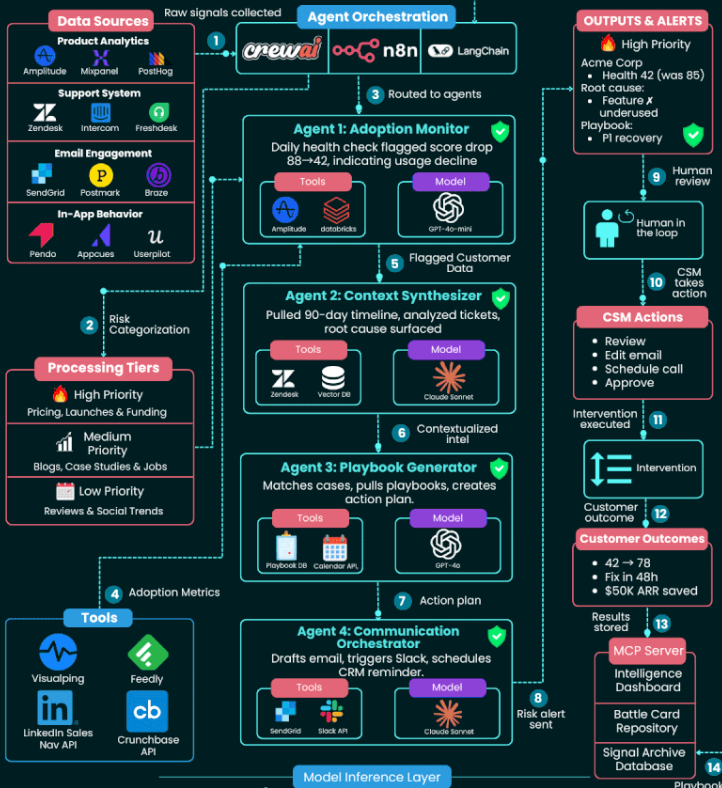
𝟏𝟏. 𝐑𝐞𝐬𝐮𝐥𝐭𝐬 𝐒𝐭𝐨𝐫𝐞𝐝:
The results are stored in the MCP server to further improve the inference model and action outcomes in the future.
𝟏𝟐. 𝐏𝐥𝐚𝐲𝐛𝐨𝐨𝐤𝐬 𝐔𝐩𝐝𝐚𝐭𝐞𝐝:
As interventions improve, so do the playbooks. The system learns and updates its strategies to optimize future outcomes.
If you’re not using a workflow like this, you could be letting valuable customers slip away.
This is the future of customer retention and success powered by AI.
Are you currently leveraging any AI-driven workflows to reduce churn in your business? -
How to create high performance RAG ?
Still confused about RAG?
Here’s a simple workflow for you.
Read the post to learn more.
When we ask an LLM a question, it often struggles if it has not seen the right data during training – like business specific data.
That’s where 𝐑𝐀𝐆 (𝐑𝐞𝐭𝐫𝐢𝐞𝐯𝐚𝐥-𝐀𝐮𝐠𝐦𝐞𝐧𝐭𝐞𝐝 𝐆𝐞𝐧𝐞𝐫𝐚𝐭𝐢𝐨𝐧) comes in combining search(of the business doucments/data) with generation of accurate and relevant responses.
𝐇𝐞𝐫𝐞’𝐬 𝐡𝐨𝐰 𝐢𝐭 𝐰𝐨𝐫𝐤𝐬:
𝟏. 𝐔𝐩𝐥𝐨𝐚𝐝 𝐏𝐃𝐅
A user provides a knowledge source, like a PDF or document.
𝟐. 𝐂𝐡𝐮𝐧𝐤, 𝐄𝐦𝐛𝐞𝐝, 𝐒𝐭𝐨𝐫𝐞
The orchestrator breaks it into smaller pieces (chunks), converts them into embeddings (using an LLM), and saves them into a Vector Database.
𝟑. 𝐀𝐬𝐤 𝐐𝐮𝐞𝐬𝐭𝐢𝐨𝐧
The user sends a query to the system.
𝟒. 𝐑𝐞𝐭𝐫𝐢𝐞𝐯𝐞 𝐓𝐨𝐩-𝐊
The Vector DB retrieves the most relevant pieces of information (chunks).
𝟓. 𝐑𝐞𝐥𝐞𝐯𝐚𝐧𝐭 𝐂𝐡𝐮𝐧𝐤𝐬
The orchestrator receives the matching chunks.
𝟔. 𝐏𝐫𝐨𝐦𝐩𝐭 = 𝐐𝐮𝐞𝐬𝐭𝐢𝐨𝐧 + 𝐂𝐡𝐮𝐧𝐤𝐬
The orchestrator combines the user’s query with these relevant chunks and forwards it to the LLM.
𝟕. 𝐋𝐋𝐌 𝐆𝐞𝐧𝐞𝐫𝐚𝐭𝐞𝐬 𝐀𝐧𝐬𝐰𝐞𝐫
The LLM uses both the query and the retrieved knowledge to produce a contextual answer.
𝟖. 𝐅𝐢𝐧𝐚𝐥 𝐀𝐧𝐬𝐰𝐞𝐫 + 𝐂𝐢𝐭𝐚𝐭𝐢𝐨𝐧𝐬
The orchestrator delivers a refined answer along with source citations for transparency.
In simple terms, RAG makes AI grounded, accurate, and explainable by connecting responses with actual knowledge sources.
𝐃𝐨 𝐲𝐨𝐮 𝐭𝐡𝐢𝐧𝐤 𝐑𝐀𝐆 𝐰𝐢𝐥𝐥 𝐛𝐞𝐜𝐨𝐦𝐞 𝐭𝐡𝐞 𝐝𝐞𝐟𝐚𝐮𝐥𝐭 𝐬𝐭𝐚𝐧𝐝𝐚𝐫𝐝 𝐟𝐨𝐫 𝐞𝐧𝐭𝐞𝐫𝐩𝐫𝐢𝐬𝐞 𝐀𝐈 𝐬𝐲𝐬𝐭𝐞𝐦𝐬 𝐢𝐧 𝐭𝐡𝐞 𝐧𝐞𝐱𝐭 𝐟𝐞𝐰 𝐲𝐞𝐚𝐫𝐬?
#AgenticAI #RAG
-

How to Adopt AI to become industry leader ?
AI adoption in enterprises is a big pain.
Training and certifications isn’t moving the needle.
Companies spend six figures certifying employees in AI courses, run a few hackathons, declare victory… then watch adoption flatline at 5%.
The problem isn’t education.
It’s execution.
Courses teach concepts. Hackathons create demos. But neither creates the organizational muscle memory needed for sustained AI adoption.
𝐖𝐡𝐚𝐭 𝐚𝐜𝐭𝐮𝐚𝐥𝐥𝐲 𝐰𝐨𝐫𝐤𝐬?
I’ve watched a handful of enterprises crack this.
They stopped treating AI adoption as a training problem and started treating it as a cultural transformation problem.
𝐓𝐡𝐞𝐢𝐫 𝐩𝐥𝐚𝐲𝐛𝐨𝐨𝐤:
1. 𝐈𝐝𝐞𝐧𝐭𝐢𝐟𝐲 𝐜𝐡𝐚𝐦𝐩𝐢𝐨𝐧𝐬, 𝐭𝐫𝐚𝐢𝐧 𝐭𝐡𝐞𝐦 𝐭𝐨 𝐭𝐫𝐚𝐢𝐧 𝐨𝐭𝐡𝐞𝐫𝐬
Not everyone. Find the 10-15 people who are already tinkering with AI. Make them your multipliers.
2. 𝐁𝐮𝐢𝐥𝐝 𝐜𝐫𝐨𝐬𝐬-𝐟𝐮𝐧𝐜𝐭𝐢𝐨𝐧𝐚𝐥 𝐬𝐪𝐮𝐚𝐝𝐬
Mix builders (engineers, data folks) with non-builders (operations, sales, support) and domain experts who know where the real pain points are. The magic happens at these intersections.
3. 𝐏𝐫𝐨𝐯𝐢𝐝𝐞 𝐭𝐨𝐨𝐥𝐬 𝐚𝐧𝐝 𝐰𝐨𝐫𝐤𝐬𝐩𝐚𝐜𝐞 𝐭𝐨 𝐜𝐨𝐥𝐥𝐚𝐛𝐨𝐫𝐚𝐭𝐞
Give them platforms, compute resources, and protected time. Not “work on this in your spare time” – actual dedicated hours to experiment.
4. 𝐅𝐨𝐜𝐮𝐬 𝐨𝐧 𝐛𝐮𝐬𝐢𝐧𝐞𝐬𝐬 𝐨𝐮𝐭𝐜𝐨𝐦𝐞𝐬, 𝐧𝐨𝐭 𝐭𝐞𝐜𝐡𝐧𝐨𝐥𝐨𝐠𝐲
The brief isn’t “build something with AI.” It’s “solve a real problem that’s costing us time or money.” This could be automating a manual process or improving their daily work.
5. 𝐒𝐡𝐨𝐰𝐜𝐚𝐬𝐞 𝐚𝐭 𝐚𝐥𝐥-𝐡𝐚𝐧𝐝𝐬
Make these projects visible. Let teams present what they built and the impact it’s having. Peer recognition is a powerful motivator.
6. 𝐅𝐮𝐧𝐝 𝐭𝐡𝐞 𝐰𝐢𝐧𝐧𝐞𝐫𝐬 𝐭𝐨 𝐬𝐜𝐚𝐥𝐞
Take the projects that prove value and give them resources to expand across the organization. Turn experiments into enterprise capabilities.
7. 𝐂𝐞𝐥𝐞𝐛𝐫𝐚𝐭𝐞 𝐚𝐧𝐝 𝐫𝐞𝐜𝐨𝐠𝐧𝐢𝐳𝐞
Public recognition. Bonuses. Promotion.
Show the organization that AI innovation is a career accelerator.
Here’s the difference:
With the traditional approach, 500 people take a course, 5 build something useful.
With this approach, 500 people in squads, 15-20 production use cases in 6 months.
It’s not about how many people you certify. It’s about creating the conditions where AI builders can emerge, collaborate, and deliver real value.
Your employees already want to use AI.
Stop training them and start enabling them.
What’s blocking AI adoption in your organization – technology or culture?#IndustryLeader #AIAdoptionChamp #AgenticOrganization
-

How to secure your AI workflows ?
As AI systems become smarter,
they also become juicier targets for attackers.
And unlike traditional software,
AI brings new kinds of risks.Here are the big ones to watch:
𝗜𝗻𝗽𝘂𝘁 𝗠𝗮𝗻𝗶𝗽𝘂𝗹𝗮𝘁𝗶𝗼𝗻
• Prompt Injection: Hidden instructions in user input that trick the AI.
• Data Poisoning: Fake or biased training data that teaches the AI bad habits.
• Adversarial Examples: Tweaked inputs (like altered images/text) that fool the AI into mistakes.
𝗣𝗿𝗼𝘁𝗼𝗰𝗼𝗹 𝗩𝘂𝗹𝗻𝗲𝗿𝗮𝗯𝗶𝗹𝗶𝘁𝗶𝗲𝘀
• API Misuse: Sending backend commands in unintended ways.
• Session Hijacking: Taking over a live user session.
• Weak Authentication: Poor login checks = open doors for attackers.
𝗦𝘆𝘀𝘁𝗲𝗺 & 𝗣𝗿𝗶𝘃𝗮𝗰𝘆 𝗥𝗶𝘀𝗸𝘀
• Unauthorized Access: Hackers break in and run commands or steal data.
• Memory Leaks: The AI “remembers” private info it shouldn’t share.
• Data Exfiltration: Sensitive data quietly pulled out of the system.
𝗠𝗼𝗱𝗲𝗹 𝗖𝗼𝗺𝗽𝗿𝗼𝗺𝗶𝘀𝗲
• Model Extraction: Copying the AI’s behavior to clone it.
• Model Inversion: Rebuilding training data from the model’s outputs.
• Backdoor Attacks: Hidden “triggers” that change how the AI behaves.
𝗧𝗵𝗲 𝘁𝗮𝗸𝗲𝗮𝘄𝗮𝘆:
Securing AI isn’t just about performance,
It’s about trust, privacy, and resilience. -

Context is king in Agentic AI !!!!
Most AI agents today fail not because they’re weak but because they lack one thing: 𝐂𝐨𝐧𝐭𝐞𝐱𝐭.
If you want to build truly intelligent agents in 2025 the kind that don’t hallucinate, make smarter decisions, and can act autonomously then you need to understand this core principle:
𝐂𝐨𝐧𝐭𝐞𝐱𝐭 𝐢𝐬 𝐭𝐡𝐞 𝐛𝐚𝐜𝐤𝐛𝐨𝐧𝐞 𝐨𝐟 𝐢𝐧𝐭𝐞𝐥𝐥𝐢𝐠𝐞𝐧𝐜𝐞.
Here’s why it matters and how it actually works:
𝟏. 𝐖𝐡𝐲 𝐂𝐨𝐧𝐭𝐞𝐱𝐭 𝐈𝐬 𝐍𝐨𝐧-𝐍𝐞𝐠𝐨𝐭𝐢𝐚𝐛𝐥𝐞
* Without context, agents make surface-level guesses, often wrong or irrelevant.
* Context reduces hallucinations and improves accuracy by grounding answers in real data.
* It enables dynamic decision-making agents can adapt their actions based on previous knowledge and current inputs.
𝟐. 𝐓𝐡𝐞 𝐂𝐨𝐫𝐞 𝐂𝐨𝐦𝐩𝐨𝐧𝐞𝐧𝐭𝐬 𝐨𝐟 𝐂𝐨𝐧𝐭𝐞𝐱𝐭-𝐀𝐰𝐚𝐫𝐞 𝐀𝐠𝐞𝐧𝐭𝐬
Think of these as the three pillars holding the system together:
* Memory Systems: Store and retrieve knowledge across sessions. This is what lets agents “remember” and build on past interactions.
* RAG Pipelines: Retrieval-Augmented Generation ensures that responses are grounded in fresh, relevant data instead of just what the model was trained on.
* Action Tools: APIs and automation tools that let agents execute workflows and interact with the real world.
𝟑. 𝐇𝐨𝐰 𝐂𝐨𝐧𝐭𝐞𝐱𝐭-𝐀𝐰𝐚𝐫𝐞 𝐀𝐠𝐞𝐧𝐭𝐬 𝐀𝐜𝐭𝐮𝐚𝐥𝐥𝐲 𝐖𝐨𝐫𝐤 (𝐒𝐭𝐞𝐩-𝐛𝐲-𝐒𝐭𝐞𝐩)
* User Input: The user sends a query or instruction.
* Processing: The agent receives and understands the input.
* Retrieval (RAG): It fetches relevant knowledge from long-term storage (like PostgreSQL, Qdrant, OpenSearch).
* Action Execution: External tools (Zapier, Make, LangChain) are triggered to perform tasks.
* Prompt Generation: A context-rich prompt is created for more accurate reasoning.
* Response Delivery: The final answer is sent back to the user.
* Short-Term Memory: Temporary context (via Redis, Pinecone, Milvus) is stored for quick reuse.
* Long-Term Memory: Useful knowledge is persisted for future sessions.
𝟒. 𝐁𝐞𝐬𝐭 𝐏𝐫𝐚𝐜𝐭𝐢𝐜𝐞𝐬 𝐓𝐡𝐚𝐭 𝐒𝐞𝐩𝐚𝐫𝐚𝐭𝐞 𝐆𝐨𝐨𝐝 𝐀𝐠𝐞𝐧𝐭𝐬 𝐅𝐫𝐨𝐦 𝐆𝐫𝐞𝐚𝐭 𝐎𝐧𝐞𝐬
* Continuously refine prompts and logic based on usage.
* Balance depth vs. relevance in memory too much data slows things down, too little reduces accuracy.
* Audit and monitor performance to prevent silent failures.
The future of AI agents isn’t about building bigger models it’s about building smarter ones. And that starts with designing context-aware systems from day one.𝐖𝐡𝐢𝐜𝐡 𝐩𝐚𝐫𝐭 𝐨𝐟 𝐭𝐡𝐢𝐬 𝐰𝐨𝐫𝐤𝐟𝐥𝐨𝐰 𝐝𝐨 𝐲𝐨𝐮 𝐭𝐡𝐢𝐧𝐤 𝐢𝐬 𝐦𝐨𝐬𝐭 𝐨𝐯𝐞𝐫𝐥𝐨𝐨𝐤𝐞𝐝 𝐭𝐨𝐝𝐚𝐲?
#AgenticAI #AutomateReporting
-

99% of Fortune 500 Companies Have AI. Here’s Why Most Are Still Failing
The shocking truth about enterprise AI in 2025: Universal adoption doesn’t guarantee success. Here’s what separates the winners from the expensive experiments.
The Great AI Paradox of 2025: Everywhere Yet Nowhere
As of 2025, 99% of Fortune 500 companies have implemented AI in their operations Weaviate. Additionally, 60% of enterprises with over 10,000 employees have already integrated AI into core business processes.
Let that sink in for a moment.
AI is no longer a competitive advantage — it’s the new baseline.
Yet despite this near-universal adoption, a troubling pattern emerges: most organizations struggle to move beyond pilot projects to real business impact. The question isn’t whether to adopt AI anymore — it’s how to make it actually work.
The $50 Billion Problem: Why AI Adoption Doesn’t Equal AI Success
The Reality Check Numbers:
- 99% adoption rate across Fortune 500
- 60% integration in core processes for large enterprises
- Less than 20% ROI satisfaction according to recent surveys
- Average 18-month time from pilot to production
The disconnect is real: Companies have AI everywhere but value nowhere.
From Experiments to Impact: The Stack AI Blueprint for Real ROI
Stack AI’s comprehensive white paper addresses this critical gap by mapping 65+ real-world AI Agent use cases that are driving measurable business outcomes, not just impressive demos.
This isn’t theoretical framework — it’s a battle-tested roadmap for operational AI integration that actually moves the revenue needle.
The 6 Industries Leading AI’s Operational Revolution
1. Insurance: Automating the Risk-Revenue Pipeline
High-Impact Use Cases:
- Underwriting Assistants: 70% faster policy evaluation
- Policy Q&A Agents: 24/7 customer service automation
- Claims Processing: Fraud detection and settlement automation
- FNOL & Form Automation: First notice of loss processing
Business Impact: 40% reduction in processing time, 25% improvement in accuracy
2. Government: Digitizing Public Service Delivery
Transformative Applications:
- Grant Matching Agents: Automated eligibility assessment
- Compliance Monitoring: Real-time regulatory tracking
- Budget Analysis: Predictive spend optimization
- IT Support Automation: Citizen service enhancement
Measurable Outcomes: 60% faster grant processing, 45% cost reduction in IT support
3. Finance: Accelerating Decision Intelligence
Revenue-Driving Use Cases:
- Investment Memo Generators: Automated research synthesis
- Document Comparison: Due diligence acceleration
- KYC Automation: Identity verification streamlining
- Expense Validation: Real-time fraud prevention
Performance Metrics: 80% faster due diligence, 50% reduction in compliance costs
4. Education: Scaling Personalized Learning
Student Success Applications:
- Scholarship Matching: Automated financial aid optimization
- Writing Feedback Systems: Personalized improvement guidance
- Course Assistant Agents: 24/7 academic support
- Research Automation: Literature review and analysis
Educational Impact: 3x increase in scholarship matches, 65% improvement in writing scores
5. Private Lending: Risk Assessment Revolution
Loan Processing Innovation:
- Loan File Review Agents: Automated underwriting support
- Validation Systems: Document authenticity verification
- Closing Compliance: Regulatory requirement automation
Business Results: 90% faster loan processing, 35% reduction in default rates
6. Banking: Customer Experience Transformation
Operational Excellence Use Cases:
- Document Classification: Intelligent routing systems
- Control Checker Agents: Risk management automation
- Compliance Chatbots: Regulatory query resolution
- Helpdesk Automation: Customer service optimization
Service Metrics: 85% first-call resolution, 50% reduction in wait times
-
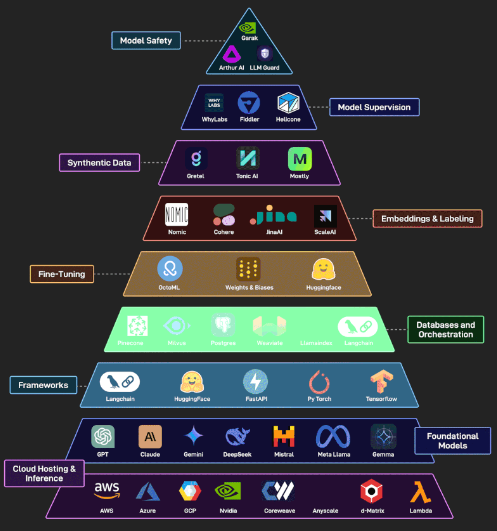
Generative AI Tech Stack – Layer by layer
𝗧𝗵𝗶𝘀 𝗶𝘀 𝘁𝗵𝗲 𝗿𝗲𝗮𝗹 𝗚𝗲𝗻𝗲𝗿𝗮𝘁𝗶𝘃𝗲 𝗔𝗜 𝗧𝗲𝗰𝗵 𝗦𝘁𝗮𝗰𝗸 — 𝗹𝗮𝘆𝗲𝗿 𝗯𝘆 𝗹𝗮𝘆𝗲𝗿.
Everyone wants AI magic. But creating real value takes more than just a flashy model — it requires thoughtful architectural decisions across a complex system.
Because the future of AI won’t be shaped by models alone. It will be defined by the systems around them: infrastructure, orchestration, data, and governance. Behind every successful AI product is a series of deliberate, system-level choices — and this is where the real work begins.
𝗨𝗻𝗱𝗲𝗿𝘀𝘁𝗮𝗻𝗱𝗶𝗻𝗴 𝘁𝗵𝗶𝘀 𝘀𝘁𝗮𝗰𝗸 𝗶𝘀 𝗲𝘀𝘀𝗲𝗻𝘁𝗶𝗮𝗹 𝘁𝗼 𝗯𝘂𝗶𝗹𝗱𝗶𝗻𝗴 𝗿𝗲𝗮𝗹-𝘄𝗼𝗿𝗹𝗱 𝗔𝗜 𝘀𝘆𝘀𝘁𝗲𝗺𝘀 — 𝗹𝗲𝘁’𝘀 𝗯𝗿𝗲𝗮𝗸 𝗶𝘁 𝗱𝗼𝘄𝗻:
1. Cloud Hosting & Inference → AWS, Azure, GCP, NVIDIA
– The foundation of every GenAI system — providing the scalable compute and infrastructure required to train and serve models at speed and scale.
2. Foundation Models → GPT, Claude, Gemini, Mistral, DeepSeek
– These are the pre-trained engines of intelligence — capable of reasoning, generating, and adapting across a wide range of tasks and domains.
3. Frameworks → LangChain, HuggingFace, FastAPI
– The orchestration layer that enables developers to build structured workflows, chains, and agent systems on top of large models.
4. Vector DBs & Orchestration → Pinecone, Weaviate, Milvus, LlamaIndex
– Responsible for memory, context retrieval, and connecting unstructured data to
AI systems — critical for applications like RAG and agents.
5. Fine-Tuning → Weights & Biases, HuggingFace, OctoML
– The process and tooling that adapt general-purpose models to specific use cases, industries, or internal knowledge — enhancing relevance and accuracy.
6. Embeddings & Labeling → Cohere, ScaleAI, JinaAI, Nomic
– Transform raw data into structured, machine-understandable formats — powering similarity search, semantic indexing, and supervised learning.
7. Synthetic Data → Gretel, Tonic AI, Mostly
– Used when real-world data is limited or sensitive — generating high-quality, privacy-safe data for training, testing, or simulation.
8. Model Supervision → WhyLabs, Fiddler, Helicone
– Enables visibility into model behavior through monitoring, debugging, and performance tracing — essential for reliability and governance.
9. Model Safety → LLM Guard, Arthur AI, Garak
– Ensures responsible AI by enforcing output filtering, ethical constraints, and compliance — critical for enterprise adoption and trust.
If you want to build AI that lasts, you don’t just need better models — you need better systems.
Kudos to ByteByteGo for this brilliant visual. -
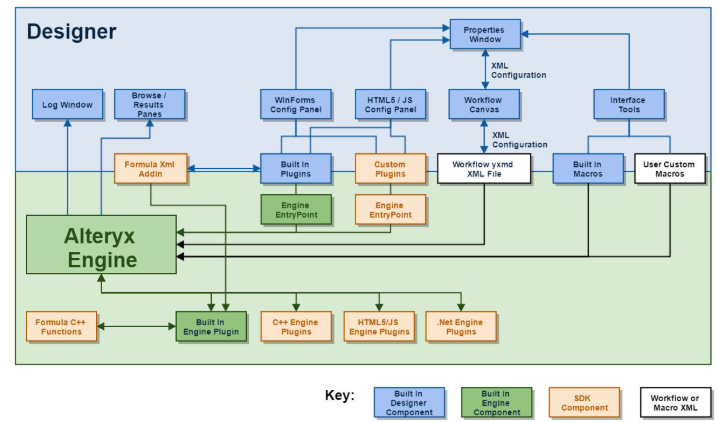
Everyone’s talking about AI Agents and AI drag and drop builders right now
But here’s what surprises me: There are platforms that have been doing this — quietly, efficiently — for years. I’ve been exploring Alteryx over the weekend, and it’s a great reminder that not everything new is better. Sometimes, the tools that have stood the test of time already solve the problems we’re trying to reinvent.
𝗛𝗲𝗿𝗲’𝘀 𝘄𝗵𝘆 𝘁𝗵𝗶𝘀 𝗽𝗹𝗮𝘁𝗳𝗼𝗿𝗺 𝗱𝗲𝘀𝗲𝗿𝘃𝗲𝘀 𝗺𝗼𝗿𝗲 𝗮𝘁𝘁𝗲𝗻𝘁𝗶𝗼𝗻: ⬇️
1. Visual Data Workflows
→ Pull data from Excel, SQL, Salesforce, APIs
→ Clean, merge, transform — all visually
You see the logic. You can trace every step. No cryptic scripts. Just transparent building blocks.
2. Smart AI Suggestions
→ Detect joins, filters, transformations your data likely needs
→ Recommend next steps based on patterns
You don’t have to guess. The tool nudges you. Faster, more confident prep.
3. Reusable Automation Flows
→ “Ingest → Clean → Export every Monday”
→ Build it once, schedule it forever
Repetitive work disappears. Consistency becomes default.
4.. Advanced Analytics — With or Without Code
→ Regression, clustering, predictions built in
→ Drop to Python/R when needed
You don’t need to be a data scientist — but you’re free to go deep when you want.
5. Unified Data + AI Platform
→ From prep to predictive to generative AI — all in one flow
→ Connect business logic with ML models and LLMs
End-to-end intelligence, no tool-hopping.
6. Governed Collaboration at Scale
→ Role-based access, version control, audit trails
→ Share workflows safely across teams
You move fast — without losing control. Enterprise-grade governance made simple.
And that’s the bigger point: it’s not always smartest to chase the newest or shiniest tool.Often, the established ones already offer deeper capability, market maturity, and proven reliability — built on years of iteration.
The best innovation isn’t always invention. Sometimes, it’s rediscovery.
-
I Deployed 34+ AI Models for Fortune 500s. Here’s the ONE Thing That Actually Works
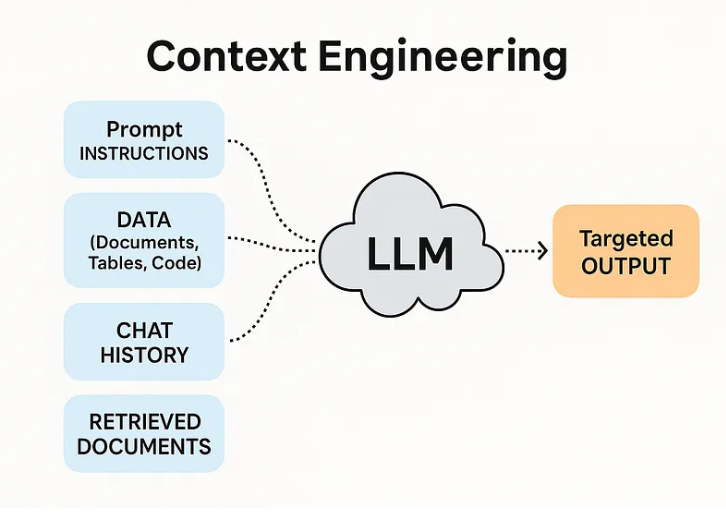
The hottest discussion in AI right now isn’t about model size or compute power – it’s about Context Engineering: the strategic art of feeding AI systems the right data to drive intelligent business decisions.
What is Context Engineering and Why It Matters
Context engineering is the emerging discipline of designing, assembling, and optimizing the information you feed AI models. It’s the critical difference between AI demos that impress and AI systems that deliver measurable ROI.
This comprehensive approach encompasses:
- RAG optimization for precise information retrieval
- Agentic AI workflows that adapt dynamically
- Intelligent copilots that understand business context
- Enterprise AI applications that scale reliably
The Context Engineering Revolution: From Static RAG to Intelligent Agents
While Retrieval-Augmented Generation (RAG) dominated 2023, agentic workflows are driving massive progress in 2024 Weaviate. The shift represents a fundamental evolution in how enterprises approach AI implementation.
Traditional RAG Limitations:
- Static retrieval patterns
- One-size-fits-all responses
- Limited adaptability to complex queries
- High maintenance overhead
Agentic Context Engineering Advantages:
- Dynamic context assembly
- Multi-step reasoning capabilities
- Self-healing error correction
- Scalable enterprise deployment
Weaviate’s Context Engineering Guide: 7 Essential Areas for AI Success
Weaviate’s comprehensive Context Engineering Guide Weaviate covers the critical domains every AI leader needs to master:
1. Introduction to Context Engineering
Understanding why context design trumps model selection for business outcomes
2. AI Agents and Agentic Workflows
Weaviate Agents that can interpret natural language instructions, automatically figure out underlying searches or transformations, and chain tasks together Weaviate
3. Query Augmentation Strategies
- Query rewriting techniques
- Intent expansion methodologies
- Request decomposition frameworks
4. Advanced Retrieval Optimization
- Intelligent chunking strategies
- Pre and post-processing pipelines
- Precision-focused retrieval systems
5. Enterprise Prompting Techniques
- Tool-aware prompting methods
- Context-sensitive instruction design
- Production-ready prompt engineering
6. Memory Architecture for AI Agents
- Persistent memory systems
- Context window optimization
- Multi-session continuity
7. Tool Orchestration and Integration
- Next-generation tool usage patterns
- API integration strategies
- Workflow automation capabilities
Why Context Engineering Beats Model Size: Real-World Enterprise Insights
From deploying 34+ AI models across Fortune 500 organizations, the evidence is clear: context quality consistently outperforms raw model capability.
Key Performance Indicators:
- Accuracy improvements: 40-60% with optimized context vs. larger models
- Response relevance: 3x better with structured context engineering
- Operational efficiency: 50% reduction in manual intervention
- Cost optimization: 35% lower inference costs through smart context management
The Future of Enterprise AI: Context-Native Applications
Gartner predicts that by 2028, 33% of enterprise software applications will include agentic AI Weaviate, making context engineering a critical competitive differentiator.
Industries Leading Context Engineering Adoption:
- Manufacturing: Predictive maintenance with multi-sensor context
- HR Technology: Employee lifecycle automation with contextual intelligence
- Financial Services: Risk assessment with real-time market context
- Healthcare: Clinical decision support with comprehensive patient context