Blog

  • Google just built AI that Creates Real Worlds From Words

    Google DeepMind’s Genie 3 turns text into interactive environments at 24 fps. This isn’t just cool tech – it’s the future of how AI learns and works

    What Just Happened at Google

    Google DeepMind just dropped something that sounds like science fiction: Genie 3.

    This isn’t another chatbot or image generator. This is AI that can create entire interactive worlds from simple text descriptions – and you can explore them in real-time at 24 frames per second.

    Type “create a forest with a river and mountains” and boom – you get a fully interactive environment you can walk around in. No game developers needed. No months of programming. Just words turning into worlds.

    But here’s why this matters way more than just being cool: This is how AI will learn to understand our physical world.

    What Makes Genie 3 Different From Everything Else

    Most AI today works like this: You give it input, it gives you output. Like a really smart calculator.

    Genie 3 works like this: You give it a description, it creates a living world that responds to your actions in real-time.

    Here’s what it can actually do:

    Create Interactive Environments From Text

    • Type “underwater cave with glowing fish”
    • Get a fully navigable underwater world
    • No pre-built assets or game engines required
    • Everything generated from scratch

    Maintain Physical Consistency

    • Objects behave like they should in real life
    • Water flows downhill
    • Things fall when dropped
    • Lighting changes naturally

    Remember What Happened

    • The world remembers your actions for up to 60 seconds
    • If you move a rock, it stays moved
    • Changes persist as you explore

    Accept Real-Time Changes

    • Mid-exploration, you can say “make it rain”
    • Or “add a bridge over the river”
    • The world adapts without breaking

    Simulate Real Physics

    • Terrain that feels solid
    • Water that flows and splashes
    • Wind that moves objects
    • Obstacles you can’t walk through

    Why This Is Actually Revolutionary

    This isn’t just a fancy demo. This technology solves some of the biggest problems in AI development:

    Problem 1: AI Doesn’t Understand the Physical World

    Most AI learns from text and images. But the real world is 3D, interactive, and constantly changing. Genie 3 gives AI a way to experience and understand physical reality.

    Problem 2: Training AI Is Expensive and Limited

    Right now, training robots or AI agents requires either expensive real-world testing or limited pre-built simulations. Genie 3 can create unlimited, custom training environments instantly.

    Problem 3: AI Can’t Learn From Doing

    Current AI learns by reading about things. Humans learn by doing things. Genie 3 lets AI learn by actually interacting with simulated worlds.

    What This Means for Different Industries

    Robotics: Training Without Breaking Things

    Before sending a robot into a warehouse, you could train it in a perfect simulation of that exact warehouse. The robot learns to navigate, avoid obstacles, and handle different scenarios – all without risking expensive equipment.

    Real example: Instead of spending months training a delivery robot on actual streets (expensive and risky), you could create perfect simulations of every neighborhood it needs to serve.

    Education: Custom Learning Worlds

    Imagine typing “create a Roman marketplace for history class” and getting a fully interactive ancient Rome that students can explore. Or “build a cell for biology” and walking around inside a living cell.

    Real impact: Every teacher becomes a world-builder. Every lesson becomes an adventure.

    Gaming: Instant World Creation

    Game developers spend years building worlds. With Genie 3 technology, players could generate custom game environments instantly. “Create a zombie apocalypse in Tokyo” or “make a peaceful farming village” – and start playing immediately.

    Architecture and Planning: Test Before Building

    Architects could create interactive models of buildings before construction. City planners could simulate traffic patterns. Disaster response teams could practice in exact replicas of real locations.

    The Technical Breakthrough Behind This

    What makes Genie 3 special isn’t just that it creates worlds – it’s how those worlds work:

    Real-Time Generation Everything happens live. No waiting for hours of rendering. No pre-built libraries. Just instant world creation from text.

    Temporal Consistency The world makes sense over time. If you see a tree, it looks like the same tree when you come back to it. Most AI struggles with this kind of consistency.

    Spatial Understanding The AI understands that objects exist in 3D space and interact with each other. This is much harder than it sounds – most AI has no concept of space or physics.

    Promptable Reality You can change the world while you’re in it. This requires the AI to understand context, maintain consistency, and adapt on the fly.

    How This Connects to DeepMind’s Bigger Plan

    Genie 3 isn’t a standalone project. It’s part of DeepMind’s strategy to build AI that truly understands the world:

    SIMA (Scalable Instructable Multiworld Agent) DeepMind’s AI agent that can play any video game from instructions. Genie 3 gives SIMA unlimited new worlds to explore and learn from.

    Embodied AI Research AI that exists in and interacts with physical or simulated environments. Genie 3 provides the perfect training ground for this research.

    World Models AI systems that build internal models of how the world works. Genie 3 is a major step toward AI that truly understands physics, space, and time.

    The Bigger Picture: From Observers to Participants

    This represents a fundamental shift in how AI works:

    Old AI: Observes data and makes predictions New AI: Participates in simulated worlds and learns from experience

    This change is huge because:

    • AI can now learn like humans do – by trying things and seeing what happens
    • We can test AI in safe simulated environments before real-world deployment
    • AI can develop intuitive understanding of physics and space

    Current Limitations (Because Nothing’s Perfect)

    Let’s be realistic about what Genie 3 can and can’t do right now:

    Time Limits The worlds are consistent for about 60 seconds. After that, things might start getting weird or inconsistent.

    Complexity Limits While impressive, the worlds aren’t as detailed or complex as professionally built game environments.

    Limited Interactions You can navigate and make basic changes, but complex object manipulation is still limited.

    Early Preview This is research technology, not something you can download and use today.

    What Comes Next: The Road Ahead

    Based on this breakthrough, here’s what we can expect:

    Short Term (1-2 years):

    • Longer consistency (hours instead of minutes)
    • More complex interactions
    • Integration with existing AI systems

    Medium Term (3-5 years):

    • Photorealistic world generation
    • Complex multi-agent interactions
    • Real-world physics simulation

    Long Term (5+ years):

    • AI agents trained entirely in simulated worlds
    • Custom reality generation for any purpose
    • Bridge between digital and physical world understanding

    Why This Matters for Regular People

    Even if you’re not a tech person, this technology will likely impact your life:

    Better AI Assistants AI that understands physical space and consequences will be much better at helping with real-world problems.

    Personalized Education Learning experiences tailored to exactly what you need to understand, in environments designed for your learning style.

    Creative Tools The ability to create and explore any environment you can imagine, without needing technical skills.

    Safer AI Development AI systems tested thoroughly in simulated worlds before being deployed in the real world.

    The Competition: Who Else Is Building World Models

    Google isn’t alone in this race:

    OpenAI is working on similar world modeling technology Meta has research into embodied AI and virtual environments
    Microsoft is exploring AI that can understand and interact with 3D spaces NVIDIA is building simulation platforms for AI training

    But Genie 3 appears to be the first system that combines real-time generation, interactive exploration, and temporal consistency at this level.

    Real-World Applications Coming Soon

    Here are some practical uses we might see soon:

    Training and Simulation

    • Medical students practicing surgery in custom-generated operating rooms
    • Pilots training in any weather condition or airport layout
    • Emergency responders practicing in replicas of actual disaster sites

    Design and Testing

    • Product designers testing how objects work in different environments
    • Urban planners simulating traffic and pedestrian flow
    • Engineers testing structures under various conditions

    Entertainment and Creativity

    • Musicians creating visual worlds that respond to their music
    • Writers exploring the settings of their stories
    • Artists collaborating with AI to build impossible worlds

    The Bottom Line: We’re Witnessing History

    Genie 3 represents one of those moments where science fiction becomes science fact.

    This isn’t just about better graphics or cooler demos. This is about AI systems that can truly understand and interact with the physical world – even if it’s simulated.

    The implications are enormous:

    • AI that learns like humans do
    • Unlimited training environments for robots and agents
    • Custom realities generated on demand
    • A bridge between language and physical understanding

    We’re still in the early days, but the direction is clear: AI is moving from being observers of the world to participants in it.

    And that changes everything about what’s possible.

    What This Means for You

    Whether you’re a business owner, educator, creative professional, or just someone curious about technology, Genie 3 represents a glimpse into a future where:

    • Any environment you can describe becomes explorable
    • AI assistants understand physical space and consequences
    • Learning happens through experience, not just reading
    • Testing and experimentation happen in safe, simulated worlds

    The technology is still early, but the trajectory is unmistakable. We’re heading toward a world where the line between imagined and experienced becomes increasingly blurred.

    And Google DeepMind just showed us what that future looks like.

  • Stop Forcing AI Agents Into Every Problem – When Old School AI Is Actually Better (And Cheaper)

    Stop Forcing AI Agents Into Every Problem – When Old School AI Is Actually Better (And Cheaper)

    The Big Mistake Everyone’s Making

    AI agents are super popular right now. Every company wants them. Every startup is building them. Every expert is selling them.

    But here’s the problem: Most companies are using AI agents for jobs that don’t need them.

    It’s like buying a race car to deliver pizza. Sure, it works. But a regular car would be faster, cheaper, and way more practical.

    McKinsey & Company just did research showing that businesses are wasting millions by using the wrong type of AI for their problems. They found that there are actually three different types of AI – and each one is best for different jobs.

    Let me explain this in simple terms.

    The Three Types of AI (And When to Use Each)

    1. Traditional AI – The Simple Worker

    What it does:

    • Follows the same steps every time
    • Does one job really well
    • Doesn’t learn new things on its own
    • Needs organized, clean data

    Think of it like: A factory machine that does one job perfectly, the same way, every time.

    Examples:

    • Reading text from forms
    • Basic computer tasks that repeat
    • Simple sorting and organizing
    • Basic data entry

    Best for:

    • Jobs that are the same every time
    • Tasks with clear rules
    • When you need it to work exactly the same way always
    • When you want to save money

    Why it’s good:

    • Very cheap to use
    • Always works the same way
    • Fast
    • Easy to understand and fix

    2. GenAI – The Smart Helper

    What it does:

    • Understands and creates content
    • Works with messy, unorganized information
    • Makes text, code, images, etc.
    • Responds to what you ask but doesn’t work alone

    Think of it like: A really smart assistant who can understand hard requests and create good work, but needs you to tell them what to do.

    Examples:

    • ChatGPT helping you write emails
    • AI creating ads and marketing
    • Tools that write code
    • Reading and summarizing documents

    Best for:

    • Helping people do their jobs better
    • Creating content and ideas
    • Understanding complex information
    • Tasks that need creativity or thinking

    Why it’s good:

    • Handles complex, creative tasks
    • Works with messy data
    • Makes humans better at their jobs
    • Can adapt to different situations

    3. Agentic AI – The Independent Worker

    What it does:

    • Plans, decides, and does complex work
    • Learns and changes in real-time
    • Works with very little human help
    • Can handle many steps independently

    Think of it like: A senior worker who can take a big goal, figure out how to achieve it, and do the entire plan without much help.

    Examples:

    • AI systems that handle entire customer service processes
    • Trading systems that work on their own
    • AI that manages hiring from start to finish
    • Smart systems that improve supply chains automatically

    Best for:

    • Complex, multi-step processes
    • Situations that need real-time decisions
    • When you want full automation with little human help
    • Problems that need continuous changes

    Why it’s good:

    • Works completely on its own
    • Handles complex thinking
    • Adapts to changing situations
    • Needs very little human oversight

    The Million Dollar Mistake: Using the Wrong AI

    Here’s where companies are messing up:

    Mistake #1: Using AI Agents for Simple Jobs

    What they’re doing: Building complex AI agents to do basic data entry or simple automated tasks.

    Why it’s wrong: Traditional AI can do these jobs faster, cheaper, and better.

    Real example: A company spent $2 million building an AI agent to process invoices, when a $50,000 traditional AI solution would have worked better.

    Mistake #2: Using GenAI for Repetitive Tasks

    What they’re doing: Using ChatGPT-style AI for the same repetitive tasks over and over.

    Why it’s wrong: GenAI is expensive to run and too powerful for simple, repetitive work.

    Real example: Using GPT-4 to sort the same types of customer emails every day, instead of training a simple system once.

    Mistake #3: Treating All AI as the Same

    What they’re doing: Thinking that newer AI is always better for every job.

    Why it’s wrong: Each type of AI has different strengths, costs, and best uses.

    The Smart Way: Match the Tool to the Job

    Here’s how successful companies think about it:

    For Simple, Repetitive Tasks → Traditional AI

    • Processing forms and documents
    • Basic data checking
    • Simple sorting
    • Routine calculations

    Why: Cheap, fast, reliable, and doesn’t need the complexity of newer AI.

    For Helping Humans → GenAI

    • Creating and editing content
    • Research and analysis
    • Understanding complex data
    • Creative problem solving

    Why: Great at understanding context and creating valuable output, but works best with human guidance.

    For Complex Automation → Agentic AI

    • End-to-end process management
    • Dynamic decision making
    • Connecting multiple systems
    • Adaptive workflows

    Why: Only use when you truly need independent operation and complex thinking.

    The Smart Approach That Actually Works

    The smartest companies don’t just pick one type of AI. They combine all three in what’s called a “layered approach”:

    Example: Customer Service Automation

    Traditional AI sorts and categorizes incoming requests

    GenAI analyzes complex issues and writes responses

    Agentic AI manages the entire workflow and decides when to escalate

    This approach gives you the best of all worlds: saving money, getting capability, and automation.

    How to Choose the Right AI for Your Problem

    Ask yourself these questions:

    Question 1: How complex is the task?

    • Simple/repetitive → Traditional AI
    • Complex but predictable → GenAI
    • Complex and unpredictable → Agentic AI

    Question 2: How much human involvement do you want?

    • Lots of human control → Traditional AI
    • Human-AI working together → GenAI
    • Very little human involvement → Agentic AI

    Question 3: How much can you spend?

    • Small budget → Traditional AI
    • Medium budget → GenAI
    • Big budget for big returns → Agentic AI

    Question 4: How often does the task change?

    • Rarely changes → Traditional AI
    • Changes but has patterns → GenAI
    • Constantly changing → Agentic AI

    Real Success Stories

    Manufacturing Company – Combined Approach

    • Traditional AI: Quality control inspection (99.9% accuracy, $100K saved per year)
    • GenAI: Maintenance report analysis (50% faster problem finding)
    • Agentic AI: Production line improvement (15% efficiency improvement)

    Result: $2.3 million saved per year by using the right AI for each job.

    Online Store – Smart Matching

    • Traditional AI: Basic product sorting
    • GenAI: Product description creation and customer service responses
    • Agentic AI: Smart pricing and inventory management

    Result: 40% reduction in costs while improving customer experience.

    The Money Reality Check

    Here’s what it actually costs to run different types of AI:

    Traditional AI:

    • Setup: $10K – $100K
    • Monthly cost: $1K – $10K
    • Best for: High-volume, simple tasks

    GenAI:

    • Setup: $50K – $500K
    • Monthly cost: $5K – $50K (depending on usage)
    • Best for: Complex analysis and content creation

    Agentic AI:

    • Setup: $200K – $2M+
    • Monthly cost: $20K – $200K+
    • Best for: Full process automation with high returns

    The key point: Don’t use expensive AI for cheap problems.

    Common Trap: The “Shiny New Thing” Problem

    Many companies fall into this trap:

    They hear about AI agents

    They think newer = better

    They try to use agents for everything

    They spend way too much money

    They get okay results

    The smarter approach:

    Start with the problem, not the technology

    Figure out what you actually need

    Pick the simplest AI that solves the problem

    Add complexity only when needed

    Action Plan: How to Fix Your AI Strategy

    Step 1: Check Your Current AI Usage

    List every AI project you’re running or planning. For each one, ask:

    • What problem are we solving?
    • What type of AI are we using?
    • Is there a simpler solution?

    Step 2: Sort Your Problems

    Put your use cases into groups:

    • Simple/Repetitive (Traditional AI candidates)
    • Complex/Creative (GenAI candidates)
    • Independent/Multi-step (Agentic AI candidates)

    Step 3: Right-Size Your Solutions

    • Move simple tasks to Traditional AI
    • Use GenAI for helping humans
    • Save Agentic AI for true end-to-end automation

    Step 4: Calculate Real Value

    Don’t just look at what the AI can do – look at:

    • Setup costs
    • Ongoing monthly costs
    • Time to maintain and train
    • Actual business value created

    The Bottom Line: More Advanced Doesn’t Mean Better

    Just because Agentic AI can do something doesn’t mean it should.

    Just because GenAI is powerful doesn’t mean it’s right for every job.

    Just because Traditional AI is older doesn’t mean it’s worse.

    The winning approach is simple: Match the right tool to the actual problem. Focus on return on investment, not just cool technology.

    Companies that get this right will save millions and beat their competition. Companies that don’t will waste money on over-complicated solutions that don’t solve real problems.

    What’s Next: The Future of Combined AI

    The future isn’t about picking one type of AI – it’s about getting all three types to work together smoothly.

    Think of it like a restaurant kitchen:

    • Traditional AI handles the prep work (chopping, measuring, basic tasks)
    • GenAI creates the recipes and adapts them (creative problem solving)
    • Agentic AI manages the entire service (coordinating everything from order to delivery)

    The restaurants that succeed use the right tool for each job. The same is true for businesses using AI.

    The key takeaway: In AI, more advanced doesn’t always mean more appropriate. Get the match right, and you’ll win. Get it wrong, and you’ll waste money solving the wrong problems.

  • The Great Indian AI Paradox: Why Big Tech Runs on Indian CEOs but India Still Waits for Its AI Moment

    The Great Indian AI Paradox: Why Big Tech Runs on Indian CEOs but India Still Waits for Its AI Moment

    How the world’s most talented tech leaders are Indian, yet India remains on the sidelines of the AI revolution – and why that might change everything

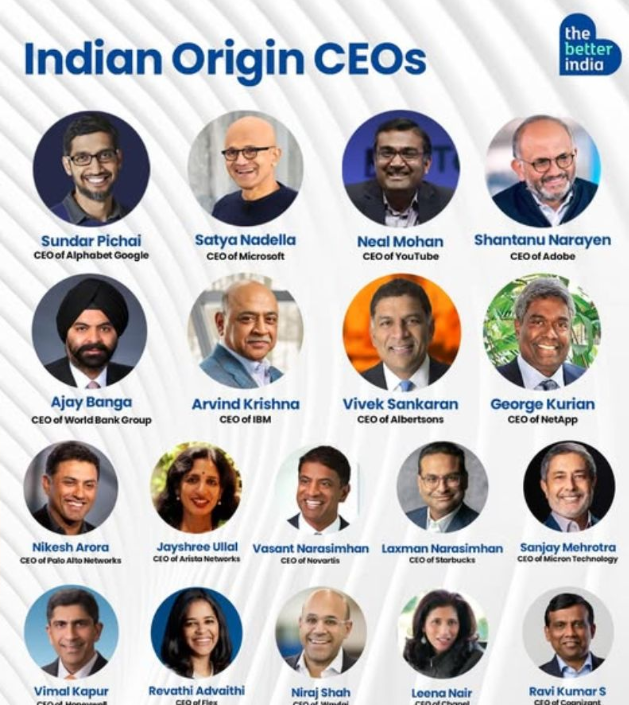
    The Stunning Reality: Indian CEOs Rule Silicon Valley

    Take a moment to scan the leadership of the world’s most powerful tech companies. The pattern is impossible to ignore:

    Microsoft – Satya Nadella 🇮🇳Google – Sundar Pichai 🇮🇳YouTube – Neal Mohan 🇮🇳IBM – Arvind Krishna 🇮🇳Palo Alto Networks – Nikesh Arora 🇮🇳Flex – Revathi Advaithi 🇮🇳Micron Technology – Sanjay Mehrotra 🇮🇳Arista Networks – Jayshree Ullal 🇮🇳Cadence Design – Anirudh Devgan 🇮🇳NetApp – George Kurian 🇮🇳Cognizant – Ravi Kumar S 🇮🇳Perplexity – Aravind Srinivas 🇮🇳

    The list goes on. Indian-origin executives don’t just participate in Silicon Valley – they lead it. These aren’t token appointments or diversity hires. These are the architects of the global digital economy, the decision-makers shaping how billions of people interact with technology daily.

    Yet here’s the paradox that keeps me up at night: If Indians are so brilliant at running Big Tech, why isn’t India leading Big Tech innovation?

    The Numbers Tell a Stark Story

    The contrast between Indian leadership abroad and Indian innovation at home is jarring:

    R&D Investment:

    • India: 0.65% of GDP
    • China: 2.7% of GDP
    • United States: 3.5% of GDP

    AI Startup Funding (2024):

    • India: $780 million
    • United States: $97 billion

    That’s not a typo. The US raised 124 times more AI funding than India in 2024. For a country with 1.4 billion people and a massive tech workforce, these numbers are stunning.

    The Talent Pipeline That Conquers the World

    Let’s be clear about something: India’s tech talent is extraordinary. At IBM, where I’ve worked closely with global teams, one in three employees is based in India. These aren’t just engineers filling quotas – they’re some of the most innovative, hardworking, and strategic minds I’ve encountered.

    Indian institutes like IIT produce graduates who walk into top positions at Google, Microsoft, and Amazon. Indian professionals don’t just work at these companies; they often become the backbone of critical projects, leading teams that build products used by billions.

    The depth of skill is undeniable. The scale is massive. So what’s missing?

    The Language Labyrinth: India’s Unique Challenge

    One major barrier is linguistic complexity that most countries simply don’t face. India has:

    • 22 official languages
    • 19,500 distinct dialects
    • Hundreds of millions of speakers across different linguistic families

    For AI development, this creates a nightmare scenario. Foundation models need clean, structured data sets. While English-language AI can train on decades of digitized content, Indian language models face fragmented, incomplete datasets across dozens of languages.

    Imagine trying to build ChatGPT when your training data is scattered across Tamil, Hindi, Bengali, Telugu, Marathi, Gujarati, and fifteen other major languages – each with different scripts, grammar structures, and cultural contexts.

    This isn’t just a technical challenge; it’s a structural disadvantage in the current AI landscape.

    The Innovation Ecosystem Gap

    But language alone doesn’t explain the gap. The real issue runs deeper: India optimized for execution, not invention.

    For decades, India’s tech strategy was brilliant but narrow. The country became the world’s back office, the place where American and European companies could find incredible talent at competitive costs. Indian IT services companies like TCS, Infosys, and Wipro became global giants by executing other people’s ideas flawlessly.

    This model created enormous wealth and established India as a tech powerhouse. But it also created a mindset focused on perfecting existing solutions rather than creating breakthrough technologies.

    The execution-first culture has benefits:

    • Incredible attention to detail
    • Ability to scale rapidly
    • Cost-effective development
    • Reliable delivery

    But it also has limitations:

    • Less appetite for high-risk R&D
    • Preference for proven models over experimental approaches
    • Focus on incremental improvement over breakthrough innovation
    • Conservative funding environment

    The R&D Investment Reality Check

    The 0.65% R&D spending figure isn’t just a number – it represents a fundamental choice about where India directs its resources. Compare this to:

    • Israel: 4.9% of GDP on R&D
    • South Korea: 4.8% of GDP
    • Japan: 3.3% of GDP

    These countries made deliberate decisions to prioritize research and development. They created ecosystems where experimentation, failure, and breakthrough innovation are not just tolerated but encouraged.

    India, meanwhile, has focused on education, infrastructure, and service delivery – all important, but not sufficient for leading the next wave of technological innovation.

    Why This Matters More Than Ever

    The AI revolution isn’t just another tech trend. It’s a fundamental shift in how value is created in the global economy. Countries that lead in AI will have enormous advantages in:

    • Economic competitiveness
    • National security
    • Cultural influence
    • Standard setting

    Right now, the AI conversation is dominated by American companies (OpenAI, Google, Microsoft) and Chinese companies (ByteDance, Baidu, Alibaba). European companies are trying to catch up. Indian companies are barely in the conversation.

    This is particularly frustrating because many of the breakthrough AI innovations are being led by Indian-origin executives and engineers – they’re just not happening in India.

    The Untapped Potential: What India Could Achieve

    Here’s what keeps me optimistic: India has advantages that other countries would kill for.

    Massive Domestic Market: India’s 1.4 billion people represent the world’s largest potential user base for AI applications. Local solutions for Indian problems could scale to serve hundreds of millions of users.

    Diverse Problem Sets: India faces unique challenges in healthcare, education, agriculture, and governance. AI solutions for these problems could be exportable to other developing nations worldwide.

    Cost-Effective Innovation: Indian engineers can build AI solutions at a fraction of Silicon Valley costs, making advanced AI accessible to markets that American companies ignore.

    Government Digital Infrastructure: Initiatives like Aadhaar, UPI, and Digital India have created a foundation for AI deployment that few countries can match.

    The Signs of Change Are Already Here

    Despite the challenges, there are encouraging signals:

    Emerging AI Startups: Companies like Ola Electric, Nykaa, and byju’s are integrating AI into their core business models, not just using it as a feature.

    Government Recognition: The National AI Strategy and AI for All initiatives show policy awareness of AI’s importance.

    Corporate Investment: Indian companies like Reliance and Tata are making significant AI investments.

    Talent Retention: Some Indian engineers are choosing to build startups in India rather than moving to Silicon Valley.

    The Cultural Shift That’s Needed

    For India to become an AI leader, it needs more than just investment – it needs a cultural transformation:

    From Risk-Averse to Risk-Taking: Indian business culture tends to favor proven approaches. AI innovation requires comfort with failure and experimentation.

    From Services to Products: The services mindset focuses on client requirements. Product innovation requires internal vision and long-term thinking.

    From Cost Leadership to Value Creation: Competing on cost has limits. Leading in AI requires creating unique value that commands premium pricing.

    From Local Optimization to Global Thinking: Indian solutions often focus on local markets. AI leadership requires building products for global scale from day one.

    Why the Next Decade Could Belong to India

    Despite current challenges, I remain optimistic about India’s AI future. Here’s why:

    The Talent Pipeline Is Unmatched: India produces more engineering graduates than any other country. As AI becomes more democratized, this talent advantage will become crucial.

    The Problem-Solution Fit: India’s complex challenges require innovative AI solutions. Countries that solve hard problems often create the most valuable technologies.

    The Cost-Innovation Balance: As AI development costs decrease, India’s cost advantages in talent and infrastructure become more valuable.

    The Market Opportunity: Companies that crack the Indian market often have solutions that work globally, especially in developing nations.

    The Path Forward: Three Critical Changes

    For India to realize its AI potential, three things need to happen:

    1. Massive R&D Investment

    India needs to at least double its R&D spending to 1.3% of GDP within five years, with specific focus on AI research centers and university partnerships.

    2. Risk Capital Formation

    Indian investors need to embrace the high-risk, high-reward nature of AI innovation. This means being comfortable with failures and betting on breakthrough technologies.

    3. Talent Retention and Repatriation

    India needs to create opportunities compelling enough to keep its best minds at home and attract Indian talent back from Silicon Valley.

    A Personal Observation

    Having worked with Indian colleagues for over a decade, I’ve seen firsthand the incredible potential that exists. The same analytical thinking, technical depth, and problem-solving creativity that makes Indians successful in Silicon Valley exists in abundance in India.

    The difference isn’t capability – it’s opportunity structure.

    When Indian engineers work at Google or Microsoft, they have access to massive compute resources, cutting-edge research, and risk-taking organizational cultures. When they work in India, they often face resource constraints, conservative management, and risk-averse funding environments.

    Change those conditions, and you change the outcomes.

    The Bottom Line: India’s AI Moment Is Coming

    The paradox of Indian leadership abroad and limited innovation at home won’t persist forever. The fundamentals – talent, market size, technical capability, and government support – are too strong.

    The question isn’t whether India will become an AI powerhouse. The question is how quickly it will happen and whether Indian companies will lead the transformation or follow it.

    My prediction: The next decade will see India emerge as one of the top three AI innovation centers globally. The combination of talent, market opportunity, and growing investment will create breakthrough companies that compete globally.

    The Indian CEOs running American tech companies today are proof of what’s possible. Tomorrow’s Indian AI companies will be proof of what’s inevitable.

    TL;DR: India has the talent to lead AI innovation – it just needs to turn that talent inward. When it does, the results will reshape the global technology landscape. 🇮🇳

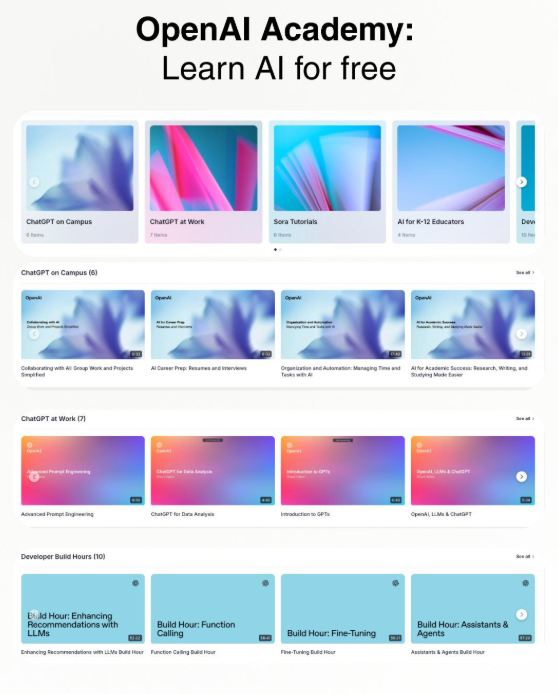
  • OpenAI Academy: Your Gateway to Free AI Education That Everyone’s Missing

    OpenAI Academy: Your Gateway to Free AI Education That Everyone’s Missing

    Discover how OpenAI’s hidden gem is democratizing artificial intelligence education for millions worldwide

    Introduction: The AI Learning Revolution You Haven’t Heard About

    While everyone talks about ChatGPT’s capabilities, OpenAI quietly launched something that could be even more transformative: OpenAI Academy. This comprehensive, completely free educational platform is flying under the radar, despite offering world-class AI education to anyone with an internet connection.

    In an era where AI literacy is becoming as essential as digital literacy was two decades ago, OpenAI Academy represents a crucial step toward ensuring that artificial intelligence knowledge isn’t limited to tech professionals and computer scientists.

    What Exactly Is OpenAI Academy?

    OpenAI Academy is a beginner-friendly, self-paced learning platform designed to teach artificial intelligence concepts and practical applications to people from all backgrounds. Whether you’re a student, teacher, parent, small business owner, or working professional with zero technical experience, the Academy provides structured pathways to understand and effectively use AI tools.

    The platform breaks down complex AI concepts into digestible, actionable lessons that focus on real-world applications rather than abstract theory.

    Core Features That Make OpenAI Academy Stand Out

    Simplified AI Fundamentals

    The Academy demystifies how ChatGPT and other AI systems work, using plain language explanations that anyone can understand. Complex technical concepts are broken down into visual, interactive lessons that make learning engaging and accessible.

    Real-World Application Focus

    Instead of theoretical knowledge, the platform emphasizes practical, daily-life examples that show how AI can solve actual problems in work, education, and personal projects.

    Comprehensive Learning Modules

    • Prompt Engineering: Master the art of communicating effectively with AI systems
    • AI Ethics and Responsible Use: Understanding the implications and best practices
    • Hands-on ChatGPT Tutorials: Direct, interactive learning within the ChatGPT interface
    • Professional Application Strategies: Industry-specific use cases and implementations

    Tailored Learning Tracks

    The Academy offers specialized pathways for:

    • Educators: Teaching strategies and classroom integration techniques
    • Small Business Owners: Practical AI applications for business growth
    • General Learners: Foundation-building for AI literacy
    • Professionals: Career-focused AI skill development

    Why OpenAI Academy Matters Now More Than Ever

    The AI Literacy Gap Is Growing

    Research shows that while AI tools are becoming ubiquitous, most people lack the skills to use them effectively. This creates a digital divide where those who understand AI gain significant advantages in their careers and personal productivity.

    Universal Skill Development

    AI proficiency is rapidly becoming a core competency across all professions—not just technology roles. From marketing and healthcare to education and finance, understanding how to leverage AI tools is becoming as important as basic computer skills.

    Democratizing AI Knowledge

    By offering high-quality AI education for free, OpenAI Academy helps ensure that AI’s benefits aren’t limited to those with expensive technical training or computer science degrees.

    Getting Started: Your First Steps

    Access and Navigation

    Visit academy.openai.com to begin your AI learning journey. The platform requires no prerequisites and allows you to:

    • Choose your learning track based on your role and interests
    • Progress at your own pace with no deadlines or pressure
    • Access materials from any device with internet connectivity

    Recommended Learning Path

    Start with AI Fundamentals: Understand basic concepts and terminology

    Explore Real-World Examples: See AI applications in your field of interest

    Practice Prompt Engineering: Develop skills to communicate effectively with AI

    Focus on Ethics and Responsibility: Learn best practices and potential pitfalls

    Apply Knowledge Practically: Use hands-on tutorials to reinforce learning

    The Broader Impact on Society

    Closing the Knowledge Gap

    OpenAI Academy represents a significant step toward ensuring that AI development and application are shaped by diverse perspectives rather than a small group of technical experts. This democratization of knowledge is crucial for creating AI systems that serve everyone’s needs.

    Preparing for the Future Workforce

    As AI integration accelerates across industries, workers who understand these tools will have significant advantages. The Academy helps prepare people for a future where AI collaboration is standard across most professions.

    Building Responsible AI Users

    By including ethics and responsible use as core components, the Academy helps create a generation of AI users who understand both the capabilities and limitations of these powerful tools.

    Key Takeaways

    OpenAI Academy offers an unprecedented opportunity to gain valuable AI skills without cost barriers. The platform’s focus on practical applications, ethical use, and accessibility makes it an essential resource for anyone looking to understand and leverage artificial intelligence in their work or personal life.

    The bottom line: In a world where AI literacy is becoming as fundamental as reading and writing, OpenAI Academy provides free, high-quality education that can transform how you work, learn, and solve problems. Don’t let this hidden opportunity pass you by.

    Ready to Advance Your HR Career with AI Skills?

    Visit OpenAI Academy today and take the first step toward mastering AI applications in human resources. Transform your HR department’s capabilities and advance your career in the evolving world of AI-enhanced human resources management

  • Google Just Ended Photoshop With a Banana

    Google Just Ended Photoshop With a Banana

    Google just dropped a game-changer with a funny name. Yesterday, they launched “Nano Banana.” It’s officially called Gemini 2.5 Flash Image. This is much more than just another AI image tool.

    This might be the first real Photoshop rival of the AI era.

    What Makes Nano Banana Different

    After weeks of rumors, Google finally released their answer to photo editing. Here’s why this matters for designers, marketers, and businesses.

    1. People and Brands Stay the Same

    The biggest improvement is consistency. People, pets, and company logos stay the same across different edits.

    Why this matters:

    • Personal photos look natural across multiple edits
    • Businesses can keep their brand looking consistent
    • Marketing teams can create campaigns without hiring designers

    2. Editing Gets Much Easier

    Traditional photo editing is hard. You need to learn layers, masks, and complex tools. Nano Banana changes this. It uses simple instructions instead.

    Old way: Learn Photoshop tools. Create layers. Use masks. New way: Just tell it what you want changed.

    3. Create and Edit in One Place

    This isn’t just about making new images. You can do much more:

    • Make precise edits to existing photos
    • Combine multiple styles into one image
    • Switch between creating and editing easily

    4. Fast and Private

    Early tests show Nano Banana runs quickly. It might work offline on your device. This opens up new possibilities:

    • No internet required for editing
    • Private editing for sensitive content
    • Companies can keep their work internal

    5. Built-in Trust Features

    Every image includes a SynthID watermark. This is subtle but important. It shows where the industry is heading. People need to know what’s real vs AI-generated.

    How It Compares to Other Tools

    Google is positioning Nano Banana against several established players.

    vs Adobe Photoshop

    • Photoshop: Complex but powerful. Requires training.
    • Nano Banana: Simple instructions. No technical skills needed.

    vs Other AI Tools

    Compared to Qwen-Image, OpenAI’s editor, or Adobe Firefly, Google focuses on:

    • Big infrastructure – handles lots of users
    • Strong safety features – responsible AI development
    • Easy to use – works for real business needs

    What It’s Not Perfect At

    Like all AI tools, Nano Banana has problems:

    • Small edits can sometimes mess up faces
    • Fine details might not always look perfect
    • Still learning complex editing requests

    But these issues are getting better with updates.

    Real Uses for Business

    For Companies

    • Marketing teams can edit product photos without designers
    • Online stores can quickly update product images
    • Social media managers can create consistent brand content
    • Small businesses get professional-looking images without big budgets

    For Regular People

    • Family photos can be improved easily
    • Social media content creation becomes simpler
    • Creative projects don’t require expensive software
    • Quick fixes for everyday photo needs

    Why This Matters

    Anyone Can Design Now

    Professional photo editing is becoming easy for everyone. This means:

    • More people can create professional-looking content
    • Traditional design jobs might change to more strategic work
    • Businesses can handle visual content themselves

    The Future of Creative Tools

    Nano Banana shows a shift. Complex software is becoming conversational editing:

    • Tools become easier to use
    • Learning takes less time
    • Creative work focuses more on ideas than technical skills

    How to Try It

    You can test Nano Banana right now:

    • AI Studio: http://ai.studio/banana
    • Gemini API: gemini-2.5-flash-image-preview

    What This Means for Different People

    For Designers

    Don’t panic. This tool helps rather than replaces creative skills. Focus on:

    • Strategic creative thinking
    • Art direction and concept development
    • Complex projects requiring human creativity
    • Client communication and project management

    For Marketers

    This changes content creation:

    • Faster campaign creation
    • More control over brand consistency
    • Less dependence on design teams for simple edits
    • Ability to test more creative ideas quickly

    For Small Businesses

    Compete with bigger companies:

    • Professional-looking marketing materials
    • Better product photos
    • Social media content creation
    • Brand development without big budgets

    The Bigger Picture

    Google’s “Nano Banana” is more than just a new editing tool. It’s part of a larger change:

    • AI makes professional tools easy for everyone
    • Complex software gets replaced by simple conversations
    • Creative work becomes more about ideas than technical skills
    • Trust features become standard

    What’s Next

    Nano Banana isn’t perfect yet. But it shows where photo editing is going:

    • Simpler interfaces that anyone can use
    • AI-powered consistency across projects
    • Built-in trust features for authentic content
    • Faster workflows for businesses and individuals

    The funny name shouldn’t fool you. This is a serious challenge to tools like Photoshop. Companies and people who use these new tools early will have big advantages.

    Key Takeaway

    Google’s Nano Banana has a silly name. But it represents a serious change in how we edit and create images. It makes professional editing easy through simple instructions. This democratizes design and challenges traditional software.

    For businesses: This tool can reduce costs and speed up content creation. For individuals: Professional editing becomes as easy as talking. For the industry: We’re seeing AI-native creative tools that might replace traditional software.

  • How to Successfully Use AI in Indian Healthcare: Easy 2025 Guide

    How to Successfully Use AI in Indian Healthcare: Easy 2025 Guide

    Indian healthcare is transforming with AI to help patients better, but many hospitals get stuck with just a few small AI projects. In fact, 76% of healthcare organizations worldwide don’t grow their AI use beyond 1-3 cases.

    This simple guide helps Indian hospitals, clinics, and healthcare companies use AI in Indian healthcare to save lives and improve patient care.

    What’s Happening with AI in Indian Healthcare

    AI Is Growing Fast in Healthcare

    India’s healthcare AI market will hit $1.6 billion in 2025 and grow to $4.2 billion by 2027. Big hospitals like AIIMS Delhi, Apollo, and Fortis are leading. Small clinics and diagnostic centers are also using AI in medical diagnosis India to compete.

    Challenges for Indian Healthcare

    Using AI in healthcare isn’t easy. Here are the main problems:

    Not Enough AI Medical Experts: It’s hard to find doctors and tech people who know AI.

    Money Issues: Small hospitals can’t afford big AI tools.

    Old Hospital Systems: Old computers make it tough to add AI. Patient Data Problems: Bad or scattered patient records mess up AI results.

    Medical Rules: Hospitals must follow India’s medical device rules and ICMR guidelines.

    Why Many Healthcare Organizations Fail at AI

    Globally, 95% of hospitals try AI, but 76% stay stuck with small projects. Indian healthcare faces the same issues because:

    Bad Patient Data: Medical records are spread across different systems, making AI weak. No Medical AI Plan: Hospitals buy AI tools without clear healthcare goals. No Training: Doctors and nurses don’t know how to use AI. Wrong Spending: Money goes to AI tools instead of fixing patient data systems. Breaking Medical Rules: Not following ICMR or medical device laws causes trouble.

    Step-by-Step Guide to Use AI in Indian Healthcare

    Here’s an easy plan to make AI work for your healthcare AI India strategy.

    Step 1: Check and Plan (Months 1-2)

    Check If Your Hospital Is Ready for AI

    Before starting, see what your healthcare facility has and needs.

    Look at Your Patient Data:

    • Check where patient records are (EMR systems, paper files, lab results)
    • Make sure medical data is correct and easy to access
    • Find patient data stuck in different departments (radiology, pharmacy, labs)

    Check Your Medical Tech:

    • See if hospital computers can handle AI
    • Test if systems work with medical cloud platforms
    • Make sure patient data is safe from hackers

    Check Your Medical Team:

    • Find doctors and staff who know AI
    • Plan to train medical workers or hire AI specialists
    • Think about working with medical AI experts

    Make a Clear Healthcare AI Plan

    • Pick medical problems AI can fix, like faster diagnosis or better patient monitoring
    • Set healthcare goals you can measure, like 30% faster diagnosis or 25% fewer medical errors
    • Choose simple AI projects using patient data you already have

    Step 2: Fix Your Patient Data (Months 2-4)

    Good patient data is key—bad medical data ruins 85% of healthcare AI projects.

    Set Medical Data Rules

    • Keep patient records clean with healthcare data tools
    • Pick doctors to manage patient data in each department
    • Follow DPDPA and medical privacy laws to keep patient data safe

    Build Better Healthcare Data Systems

    • Put all patient data in one secure medical database
    • Use healthcare cloud storage like AWS for Healthcare or Google Cloud Healthcare
    • Make patient records ready to use instantly for diagnosis

    Follow Indian Healthcare Laws

    DPDPA Rules: Protect patient personal data and ask permission to use it Medical Device Rules: Follow CDSCO guidelines for AI medical devices ICMR Guidelines: Use ethical AI practices for medical research Hospital Standards: Meet NABH standards for quality healthcare

    Step 3: Set Up Medical Tech and Safety (Months 3-5)

    Make your hospital tech strong and safe for AI in medical diagnosis India.

    Build Strong Healthcare Tech

    • Use medical cloud services like AWS Healthcare or Microsoft Healthcare
    • Make hospital systems grow automatically
    • Plan backups so patient data is never lost

    Keep Medical AI Safe

    • Protect patient AI systems from cyber attacks
    • Use medical security tools to watch for problems
    • Check AI medical results to avoid diagnosis mistakes

    Pick Good Healthcare AI Partners

    • Work with Indian healthcare tech companies like HealthTech or global ones like Philips India
    • Choose partners with experience in Indian hospitals

    Step 4: Start Small Healthcare Projects (Months 4-6)

    Try small medical AI projects to see what works.

    Ideas for Small Healthcare Projects

    Healthcare AreaAI IdeasPatient BenefitsRadiologyX-ray analysis, CT scan reading40% faster diagnosisPathologyBlood test analysis, cancer detection90% accurate resultsEmergencyPatient triage, critical alerts50% faster treatmentPharmacyDrug interaction checks, dosing60% fewer medication errors

    Check If Medical AI Works

    • Make sure AI diagnosis is accurate (95% or better for critical cases)
    • See if doctors and nurses like it (aim for 80% satisfaction)
    • Track patient outcomes like faster treatment times

    Step 5: Grow AI Across the Hospital (Months 6-12)

    Take small medical wins and make them hospital-wide.

    Grow Medical AI Smart

    • Use AI in more hospital departments, like moving radiology AI to pathology
    • Connect AI to daily medical work with hospital automation
    • Create a medical AI team with doctors and tech experts

    Help Medical Staff Use AI

    • Train all healthcare workers with medical AI courses
    • Ask doctors and nurses what they think every few months
    • Share medical success stories to get everyone excited about AI

    AI Ideas for Different Healthcare Areas

    Radiology: Faster Image Analysis

    AI Applications:

    • X-ray analysis for fractures and lung diseases
    • CT scan reading for cancer detection
    • MRI analysis for brain and heart conditions

    Implementation Tips:

    • Start with chest X-rays (most common)
    • Train radiologists on AI tools
    • Follow AERB guidelines for medical imaging

    Pathology: Better Lab Results

    AI Applications:

    • Blood test analysis and abnormal result alerts
    • Cancer cell detection in tissue samples
    • Genetic testing and rare disease identification

    Benefits for Patients:

    • 24/7 lab result monitoring
    • Fewer human errors in critical tests
    • Faster diagnosis for urgent cases

    Emergency Medicine: Save More Lives

    AI Applications:

    • Patient triage based on symptoms and vital signs
    • Heart attack and stroke prediction
    • ICU patient monitoring and alerts

    Critical Success Factors:

    • Must work 24/7 without failure
    • Integrate with existing emergency protocols
    • Train emergency staff extensively

    General Practice: Better Primary Care

    AI Applications:

    • Symptom analysis and diagnosis assistance
    • Prescription drug interaction checking
    • Chronic disease management and monitoring

    Implementation Strategy:

    • Start with common conditions like diabetes
    • Provide mobile AI tools for rural doctors
    • Create patient education AI chatbots in local languages

    Finding and Training Healthcare AI Experts in India

    India has growing healthcare AI talent, but competition is high.

    Hiring Medical AI Professionals

    Where to Find Talent:

    • Medical colleges with AI programs (AIIMS, CMC Vellore)
    • Healthcare tech companies and startups
    • International healthcare AI professionals returning to India

    Key Skills to Look For:

    • Medical knowledge combined with AI expertise
    • Experience with healthcare data and regulations
    • Understanding of Indian healthcare challenges

    Training Healthcare Staff

    For Doctors and Nurses:

    • Basic AI literacy for medical professionals
    • Hands-on training with AI diagnostic tools
    • Continuous education on new AI medical technologies

    For Hospital IT Teams:

    • Healthcare data management and security
    • Medical AI system integration
    • Compliance with healthcare regulations

    Affordable AI for Small Hospitals and Clinics

    Small healthcare providers can use AI without spending too much.

    Budget-Friendly Healthcare AI

    Free and Low-Cost Tools:

    • Open-source medical AI models
    • Government healthcare AI initiatives
    • Pay-per-use cloud-based medical AI services

    Step-by-Step Approach:

    • Start with one AI application (like X-ray analysis)
    • Add new AI features every 3-4 months based on results
    • Focus on high-impact, low-cost solutions first

    Government Healthcare Support

    Available Programs:

    • National Digital Health Mission (NDHM) AI initiatives
    • IndiaAI Mission healthcare projects
    • State government healthcare digitization grants
    • Medical device development funding

    How to Know Healthcare AI Is Working

    Track these to see if AI helps patients and hospitals:

    Measurement TypeWhat to TrackTarget GoalMedical AccuracyAI diagnosis accuracy, false positive rate95% accuracy, <5% false positivesPatient OutcomesTreatment time, recovery rates30% faster treatment, 20% better outcomesHospital EfficiencyStaff productivity, cost savings25% more efficient, 15% cost reductionStaff SatisfactionDoctor/nurse AI adoption, training completion85% adoption, 90% trained

    Continuous Medical AI Improvement

    • Review AI performance with medical experts monthly
    • Update AI models based on new medical research
    • Monitor patient safety and AI decision quality
    • Stay updated with medical AI regulations

    Avoid Common Healthcare AI Mistakes

    Patient Data Problems

    Problem: Incomplete or inaccurate patient records leading to wrong AI diagnosis Solution: Implement strict medical data quality checks and staff training

    Technology Integration Issues

    Problem: AI systems that don’t work with existing hospital equipment Solution: Plan integration with current medical systems from the start

    Medical Staff Resistance

    Problem: Doctors and nurses afraid AI will replace them Solution: Show how AI helps them provide better patient care, not replace them

    Regulatory Compliance Failures

    Problem: Using AI without proper medical device approvals Solution: Work with regulatory experts from day one

    What’s Next for AI in Indian Healthcare

    Emerging Healthcare AI Trends

    Telemedicine AI: AI-powered remote patient consultation and monitoring Personalized Medicine: AI for customized treatment based on genetic data Drug Discovery: AI accelerating development of new medicines in India Rural Healthcare: AI bringing specialist care to remote areas

    Preparing for the Future

    Innovation Strategy:

    • Build healthcare AI research partnerships with medical colleges
    • Create AI-powered medical device manufacturing capabilities
    • Develop AI solutions for uniquely Indian health challenges
    • Export Indian healthcare AI solutions globally

    Key Tips for Indian Healthcare Organizations

    Success Factors

    Fix Patient Data First: Clean, complete medical records are essential

    Focus on Patient Outcomes: Choose AI that directly improves patient care

    Train Medical Staff: Help doctors and nurses embrace AI tools

    Follow Medical Laws: Stick to ICMR, CDSCO, and healthcare regulations

    Start with High-Impact Cases: Begin with AI that saves lives or reduces errors

    Measure Patient Safety: Always prioritize patient safety over efficiency

    Action Plan for Healthcare Leaders

    Next 30 Days:

    • Check patient data quality and pick 3 medical AI ideas
    • Meet with medical department heads about AI possibilities
    • Research healthcare AI regulations and compliance requirements

    Next 3 Months:

    • Make a healthcare AI plan and start one pilot project
    • Begin training medical staff on AI tools
    • Set up secure patient data systems for AI

    Next 12 Months:

    • Use AI in 3-5 medical departments
    • Achieve 25% improvement in diagnosis speed or accuracy
    • Train 80% of medical staff on AI tools

    Conclusion

    Using AI in Indian healthcare takes careful planning and focus on patient safety. By fixing patient data, training medical staff, and following healthcare laws, Indian hospitals can avoid the 76% failure trap and lead in healthcare digital transformation India.

    Remember: AI in healthcare isn’t about replacing doctors—it’s about helping them save more lives and provide better patient care.

    Start with a patient data check and a simple diagnostic AI project. Your healthcare AI India success story starts with helping just one patient better.

  • How to achieve Successful AI Implementation in Indian Companies: Ultimate 2025 Guide

    How to achieve Successful AI Implementation in Indian Companies: Ultimate 2025 Guide

    India’s AI revolution is transforming businesses, but 76% of global organizations struggle to scale beyond 1-3 use cases. Indian enterprises face unique challenges like talent shortages, legacy systems, and compliance hurdles. This comprehensive AI implementation guide for Indian companies provides a proven roadmap to unlock the full potential of enterprise AI in India, driving digital transformation in India with measurable ROI.

    Current State of AI Adoption in India

    Explosive AI Market Growth

    India’s AI market is skyrocketing, projected to reach $7.8 billion in 2025 and $17 billion by 2027. Sectors like IT services, banking, healthcare, and manufacturing lead the charge, with giants like TCS, Infosys, and HDFC setting the pace. SMEs are also jumping in, leveraging artificial intelligence business in India for competitive advantage.

    Unique Challenges for Indian Businesses

    • Limited AI Talent: High demand for skilled professionals outstrips supply.
    • Budget Constraints: SMEs face high upfront costs for AI infrastructure.
    • Legacy Systems: Outdated tech complicates integration.
    • Data Quality Issues: Fragmented, siloed data undermines AI accuracy.
    • Regulatory Compliance: Navigating the Digital Personal Data Protection Act (DPDPA) and sector-specific rules.

    Why Most Indian Companies Fail at Scaling AI

    Globally, 95% of companies use AI, but 76% stagnate at basic pilots, and 95% of generative AI projects fail to deliver ROI. Indian firms face the same pitfalls due to:

    Weak Data Foundations: Siloed data in ERP/CRM systems leads to unreliable outputs.

    No Clear Strategy: Adopting tools without aligning to business goals wastes resources.

    Skill Gaps: Employees lack AI literacy, slowing adoption.

    Misallocated Budgets: Overspending on tools, neglecting infrastructure.

    Compliance Gaps: Ignoring DPDPA or RBI/ICMR regulations risks penalties.

    Step-by-Step AI Implementation Roadmap for Indian Companies

    Follow this phased Indian companies AI strategy to scale successfully.

    Phase 1: Assessment and Planning (Months 1-2)

    Conduct an AI Readiness AuditLay the groundwork for your AI adoption guide with a thorough assessment.

    • Data Audit:

      Map all data sources (e.g., SAP, Salesforce).

      Evaluate quality: accuracy, completeness, accessibility.

      Identify silos across departments.

    • Map all data sources (e.g., SAP, Salesforce).
    • Evaluate quality: accuracy, completeness, accessibility.
    • Identify silos across departments.
    • Technology Review:

      Assess IT stack for cloud readiness and scalability.

      Test network security and API compatibility.

      Plan for integration with legacy systems.

    • Assess IT stack for cloud readiness and scalability.
    • Test network security and API compatibility.
    • Plan for integration with legacy systems.
    • Talent Gap Analysis:

      Survey AI skills via tools like LinkedIn Assessments.

      Plan hiring from IITs/NITs or upskilling programs.

      Explore partnerships with Indian AI vendors like Fractal Analytics.

    • Survey AI skills via tools like LinkedIn Assessments.
    • Plan hiring from IITs/NITs or upskilling programs.
    • Explore partnerships with Indian AI vendors like Fractal Analytics.

    Develop a Goal-Aligned AI Strategy

    • Define pain points: e.g., reduce customer churn by 20%.
    • Set SMART KPIs: ROI, timelines, adoption rates.
    • Prioritize use cases with high ROI and existing data.

    Phase 2: Building a Robust Data Foundation (Months 2-4)

    Data is the backbone of AI—80% of failures stem from poor data quality.

    Establish Data Governance

    • Set standards: Use tools like Talend for automated cleaning.
    • Assign data owners: Department heads ensure accountability.
    • Ensure DPDPA compliance: Secure PII, implement consent systems.

    Modernize Data Infrastructure

    • Unify silos with ETL pipelines (e.g., Apache Airflow).
    • Adopt data lakes: AWS S3 or Snowflake for cost-effective storage.
    • Enable real-time analytics with Kafka.

    Navigate Indian Regulations

    • DPDPA Compliance: Anonymize data, build breach response plans.
    • Industry-Specific Rules:

      Banking: RBI’s AI ethics for unbiased lending.

      Healthcare: ICMR guidelines for diagnostics.

      Manufacturing: BIS standards for quality control.

      IT Services: MeitY rules for cross-border data.

    • Banking: RBI’s AI ethics for unbiased lending.
    • Healthcare: ICMR guidelines for diagnostics.
    • Manufacturing: BIS standards for quality control.
    • IT Services: MeitY rules for cross-border data.

    Phase 3: Infrastructure and Security Setup (Months 3-5)

    Build a scalable, secure foundation to support your artificial intelligence business in India.

    Scalable AI Infrastructure

    • Cloud Providers: AWS India, Azure, or JioCloud for data sovereignty.
    • Enable auto-scaling with Kubernetes; ensure 99.9% uptime.
    • Plan disaster recovery across multi-zone setups.

    Robust Security Framework

    • Protect against AI-specific threats like prompt injection.
    • Implement MFA, zero-trust models, and SIEM tools (e.g., Splunk).
    • Monitor outputs for bias and errors.

    Choose Strategic AI Partners

    • Evaluate Indian firms like HCL or global players with local presence (e.g., IBM India).
    • Assess expertise, SLAs, and sector-specific case studies.

    Phase 4: Pilot Projects for Quick Wins (Months 4-6)

    Start small with high-impact, low-risk pilots to build momentum.

    Industry-Specific Pilot Ideas

    Measure Pilot Success

    • Track: Model accuracy (>85%), user NPS (>70), cost savings.
    • Visualize ROI with dashboards (e.g., Tableau).

    Phase 5: Scaling for Enterprise-Wide Impact (Months 6-12)

    Turn pilots into enterprise-wide wins.

    Scale Strategically

    • Expand use cases across departments: e.g., fraud AI to operations.
    • Integrate with workflows via RPA + AI.
    • Build AI Centers of Excellence (CoEs) for governance.

    Champion Change Management

    • Train via gamified platforms like Coursera.
    • Collect feedback through quarterly surveys.
    • Celebrate wins to drive adoption.

    Industry-Tailored AI Strategies for Indian Enterprises

    IT Services: Automate to Innovate

    • Focus: DevOps AI, client analytics.
    • Approach: Pilot internally, then develop client-facing AI services.

    Manufacturing: Drive Efficiency

    • Focus: AI-IoT for smart factories, quality control.
    • Tips: Integrate with PLCs, train workers via AR.

    Banking: Secure, Compliant Growth

    • Focus: Explainable AI for audits, fraud detection.
    • Must-Do: RBI-compliant bias checks, audit trails.

    Healthcare: Ethical Innovation

    • Focus: Privacy-preserving AI (federated learning).
    • Essentials: ICMR validation, human oversight.

    Building AI Talent in India

    India’s 1.5M AI professionals are a goldmine—secure and upskill them.

    Talent Acquisition

    • Hire from IITs/NITs; seek domain-AI hybrids.
    • Leverage Global Capability Centres for global talent.

    Upskilling Programs

    • All Employees: NASSCOM’s AI 101 courses.
    • Tech Teams: Google Cloud bootcamps.
    • Leaders: AI strategy certifications.

    Cost-Effective AI for Indian SMEs

    Maximize ROI on a budget.

    • Affordable Tools: Hugging Face, GCP free tiers, TensorFlow.
    • Phased Rollout: Automate one process per quarter.
    • Government Support: Tap IndiaAI Mission (₹10K Cr) or Startup India grants.

    Measuring AI Success: KPIs to Track

    Continuous Improvement: Bi-monthly model retraining, trend monitoring via Gartner.

    Avoiding Common AI Pitfalls

    • Data Issues: Automate validation, unify silos with APIs.
    • Tech Traps: Start with MVPs, co-design integrations.
    • Change Resistance: Involve teams early, set realistic goals.

    The Future of AI in Indian Companies

    Emerging Trends

    • Industry 4.0: AI-IoT for smart factories.
    • Vernacular AI: NLP for Indian languages.
    • Edge AI: 5G-powered real-time analytics.

    Preparing for Tomorrow

    • Build AI labs in Bengaluru/Hyderabad.
    • Partner with global leaders like NVIDIA.
    • Develop India-specific solutions for global markets.

    Key Takeaways for Indian Companies

    Data First: Audit ruthlessly to avoid garbage-in, garbage-out.

    Problem-Driven: Solve business pain points, not tech trends.

    Upskill Relentlessly: Empower people, don’t replace them.

    Compliance Is Non-Negotiable: Align with DPDPA, RBI, ICMR.

    Pilot Smart: Quick wins build trust.

    Measure Everything: Data drives decisions.

    Action Plan

    • Next 30 Days: Audit data, identify 3 high-impact use cases.
    • Next 3 Months: Finalize AI strategy, launch pilot.
    • Next 12 Months: Scale 5+ use cases, achieve 20% efficiency gains.

    Conclusion

    Successful AI implementation in India demands strategy, not speed. By building strong data foundations, aligning with business goals, and ensuring compliance, Indian companies can break the 76% barrier and lead the digital transformation in India. Start with a data audit and a high-ROI pilot—your enterprise AI India journey begins now.

    Ready to transform your business? Contact us at automatereporting.com/contact to kickstart your AI strategy today!

  • 95% Use AI, 76% Fail: MIT Reveals Why

    MIT Technology Review surveyed 205 executives across the US, Europe, and Asia and found the shocking truth: Most companies don’t have an AI problem. They have a data problem.

    AI Adoption Challenges in 2025

    95% of companies worldwide are using artificial intelligence — but 76% are stuck at just 1-3 AI use cases. The gap between AI adoption and AI scaling is huge across all industries and regions.

    Here’s why: AI pilots are easy. Scaling AI across your business is hard.

    5 Key AI Strategy Findings That Change Everything

    1. Global AI Adoption vs AI Implementation Gap

    Most companies in North America, Europe, and Asia have one AI chatbot and think they’re done. Real AI transformation comes from artificial intelligence working across multiple departments and business processes.

    The AI strategy problem: Having one AI tool doesn’t make you an AI-powered company.

    2. Data Quality Kills AI Projects Worldwide

    Without clean, accessible data infrastructure, no AI strategy works — no matter how advanced your machine learning models are.

    Common data management problems globally:

    • Data silos in systems that don’t integrate
    • Poor data quality with errors and missing information
    • No clear data governance frameworks
    • Business data that’s hard to access when needed

    3. AI Security and Compliance Beat Speed

    98% of executives globally say they’d rather prioritize AI safety than be first to market. Companies worldwide are taking time to implement AI responsibly, and this approach delivers better long-term ROI.

    Why this matters for businesses: Customer trust and regulatory compliance beat speed to market.

    4. Industry-Specific AI Delivers Real Business Value

    Generic AI applications like chatbots are table stakes in 2025. Real competitive advantage comes from custom, industry-specific AI solutions.

    Examples of specialized AI by industry:

    • Manufacturing AI: Predictive maintenance systems for equipment
    • Healthcare AI: Diagnostic assistance and patient care tools
    • Financial AI: Fraud detection and risk management
    • Retail AI: Personalized recommendation engines and inventory optimization

    5. Legacy Systems Block AI Transformation

    Companies worldwide with outdated IT infrastructure find that retrofitting AI often costs more than building modern data foundations.

    Legacy infrastructure challenges:

    • Outdated databases that can’t support AI workloads
    • Disconnected enterprise systems
    • Insufficient cybersecurity for AI applications
    • Slow data processing capabilities

    What Companies Get Wrong About AI Strategy

    They Focus on AI Models, Not Data Infrastructure

    Companies get excited about new AI technology but ignore the enterprise foundations:

    • Data pipeline architecture
    • Cloud infrastructure scalability
    • AI governance frameworks
    • Employee training and change management

    They Think Too Small About AI Transformation

    One AI pilot project won’t transform your business operations. Real digital transformation requires:

    • Multiple integrated AI systems
    • Enterprise-wide data strategy
    • Cross-functional collaboration
    • Long-term technology investment

    How to Build Successful AI Strategy in 2025

    Step 1: Establish Data Foundation First

    Before investing in AI solutions:

    • Conduct comprehensive data quality audits
    • Implement data governance policies
    • Invest in data cleaning and organization
    • Create accessible data architecture

    Step 2: Build Scalable AI Infrastructure

    Create the technology foundation AI requires:

    • Cloud computing resources that scale
    • Modern data storage and management systems
    • High-speed network connectivity
    • Enterprise-grade security frameworks

    Step 3: Select Strategic AI Use Cases

    Choose artificial intelligence applications that:

    • Address specific business challenges
    • Demonstrate clear return on investment
    • Leverage existing business data
    • Can scale across business units

    Step 4: Implement AI Governance Early

    Establish processes for:

    • Data privacy and regulatory compliance
    • AI model testing and validation
    • Risk management and security
    • Change management and workforce training

    Step 5: Plan for Enterprise AI Scale

    Design beyond pilot projects:

    • Build systems that support growth
    • Train teams across all departments
    • Create workflows for multiple AI initiatives
    • Develop strategic partnerships with AI vendors

    Common AI Implementation Mistakes Worldwide

    Mistake 1: Pilot Project Purgatory

    Running endless AI pilots without ever scaling successful implementations.

    Solution: Establish clear criteria for moving from pilot to production deployment.

    Mistake 2: Technology-First AI Strategy

    Purchasing AI tools before understanding specific business requirements.

    Solution: Start with business process analysis, then identify appropriate AI solutions.

    Mistake 3: Poor Data Readiness Assessment

    Assuming existing business data is ready for AI applications.

    Solution: Invest in data quality improvement before implementing AI models.

    Mistake 4: Isolated AI Development

    Attempting to build everything internally without external expertise.

    Solution: Partner with experienced AI consultants and technology providers.

    What Successful AI Companies Do Differently

    Organizations achieving AI success globally share these characteristics:

    • Robust data infrastructure with clean, accessible business information
    • Clear AI governance balancing innovation with compliance
    • Business-focused approach solving real operational challenges
    • Scalable technology architecture growing with AI requirements
    • Comprehensive training programs helping employees adapt to AI tools

    The Future of Enterprise AI in 2025

    Building AI-ready organizations isn’t about adopting the latest AI models. It’s about solving fundamental challenges — data management, infrastructure scalability, governance frameworks, and measurable ROI — starting today.

    AI leaders will be companies that:

    • Prioritize data infrastructure before AI implementation
    • Develop governance frameworks enabling safe innovation
    • Focus on business value over technology features
    • Maintain long-term AI transformation vision

    Key Takeaway for Business Leaders

    Your AI strategy success depends entirely on your data strategy foundation. Before scaling AI across your enterprise, establish the fundamentals: clean data architecture, modern infrastructure, strong governance, and clear business objectives.

    The competitive advantage goes to organizations implementing AI most effectively, not fastest. Build solid foundations first, then scale systematically and safely.

  • Stanford Proves It: AI Just Killed 20% of Entry-Level Jobs

    Stanford Proves It: AI Just Killed 20% of Entry-Level Jobs

    Stanford University just dropped hard evidence: AI is wiping out entry-level jobs. For years, people argued about this with no proof. Now we have real data.

    What Stanford Found

    Stanford analyzed millions of payroll records. The results are clear:

    Since late 2022:

    • Employment for 22-25 year olds in AI-exposed jobs dropped 13-20%
    • AI-exposed jobs include software development and customer service
    • Older workers in the same roles stayed stable
    • In non-AI jobs like home health aides, young workers are gaining jobs fastest

    Why This Matters

    This isn’t “AI taking all jobs.” It’s more specific: AI compresses the entry level when it automates. It grows the pie when it augments.

    The pattern is clear: Entry-level positions are disappearing in certain sectors while staying strong in others.

    Impact on Different Industries

    Jobs Being Eliminated

    • Software development entry-level roles
    • Customer service representatives
    • Call center operations
    • Help desk positions

    Jobs Still Growing

    • Home health aides
    • Skilled trades
    • Personal services
    • Healthcare support roles

    What HR Leaders Should Do

    Immediate Actions

    Review which entry-level positions are at risk

    Update recruitment strategies

    Assess current training programs

    Plan for reskilling needs

    Skills That Matter Now

    Focus on developing:

    • Critical thinking
    • Problem-solving
    • Emotional intelligence
    • Creative skills that work with AI

    The Real Cause

    Higher interest rates and the tech pullback also play a big role here. We shouldn’t blame everything on AI alone. But the market shows: junior hiring is drying up. Landing that first job is harder than ever.

    What This Means for Workers

    For New Graduates

    • Entry-level jobs are more competitive
    • Focus on skills that complement AI
    • Networking becomes more important
    • Continuous learning is essential

    For Mid-Career Workers

    Don’t assume you’re safe. Once the ladder breaks at the bottom, pressure moves up. Start building AI collaboration skills now.

    Key Takeaway

    Stanford’s study shows AI is reshaping how people start their careers. Entry-level is squeezed first, but this creates pressure that moves up the career ladder.

    For companies: Rethink how you hire and develop talent in an AI world.

    For workers: Adapt by learning skills that work alongside AI, not against it.

    The future of work isn’t about AI replacing humans completely. It’s about finding new ways for humans and AI to work together.

  • OpenAI’s secret sauce to thrive in the AI Age

    OpenAI’s secret sauce to thrive in the AI Age

    OpenAI just released their leadership playbook on how to stay ahead in the age of AI — and the message is clear:

    “The companies that will thrive are the ones that treat AI not just as a tool, but as a new way of working.”

    The Reality of AI Adoption

    AI adoption is moving faster than most leaders expected. Staying ahead isn’t about having the best technology. It’s about helping your people and teams adapt with confidence.

    The report shares lessons from leaders at Moderna, Notion, BBVA and other top companies. These lessons are turned into simple steps that any company can use right now.

    The 5 Essential Steps OpenAI Recommends

    1. Align: Start with Clear Purpose

    Show your teams why AI matters. Set company goals and use AI yourself at every level.

    Key actions:

    • Set clear AI goals that help your business
    • Explain why AI initiatives matter
    • Leaders must use and support AI tools
    • Connect daily work to your AI plan

    Why this works: When teams understand the purpose, they trust AI and see it as helpful, not scary.

    2. Activate: Make Training Real and Practical

    Training works better than just talking. Make learning hands-on and useful.

    What to do:

    • Create structured AI training programs
    • Choose AI champions in each department
    • Let people try AI tools safely
    • Focus on real uses, not just theory

    Why this works: When employees see AI helping their growth and success, they want to use it.

    3. Amplify: Share Success Stories

    Don’t keep wins secret. Share success stories widely and create spaces where everyone can learn from what works.

    Best practices:

    • Document and share AI success stories across your company
    • Build internal knowledge-sharing sites
    • Create groups focused on AI use cases
    • Celebrate wins publicly to encourage more trying

    Why this works: Success spreads faster when people see their coworkers succeeding.

    4. Accelerate: Remove Barriers

    Make it easy for teams to access tools, share ideas, and move projects from testing to full use.

    Focus on:

    • Make AI tools easy to access
    • Create simple ways to submit AI project ideas
    • Let teams make decisions without too many approvals
    • Reward teams who push new ideas forward
    • Build clear paths from testing to full use

    Why this works: Removing barriers lets innovation move as fast as business needs.

    5. Govern: Balance Speed with Safety

    Clear, simple guidelines help progress without slowing things down.

    What you need:

    • Create practical AI guidelines that can change
    • Focus on helping rather than stopping
    • Build review processes that support speed
    • Ensure rules are followed without killing new ideas
    • Update policies regularly as AI gets better

    Why this works: When rules are practical and flexible, they protect the business while keeping innovation alive.

    Why This Playbook Matters

    These recommendations work because they solve the real problems of AI adoption: not the technology, but people, processes, and rules.

    The key point: Most AI projects fail not because of technology problems, but because companies don’t create the right environment for adoption.

    Lessons from Top Companies

    The playbook uses real examples from companies like:

    • Moderna – Using AI to discover new medicines faster
    • Notion – Adding AI to productivity tools
    • BBVA – Changing financial services with AI

    These companies succeeded because they focused on the human and organizational side of AI change.

    Action Steps for Leaders

    Start This Week:

    Check your current AI alignment – Do your teams understand why AI matters?

    Look at your training programs – Are they practical and hands-on?

    Find success stories – What AI wins can you share?

    Review problem areas – Where do AI projects get stuck?

    Check your rules – Are your guidelines helping or stopping progress?

    Build for the Future:

    • Train AI champions in every department
    • Create internal groups for sharing knowledge
    • Set up feedback systems for continuous improvement
    • Invest in ongoing learning and development
    • Build rules that change with technology

    Key Takeaway

    AI transformation isn’t about the technology — it’s about the people and processes. Companies that treat AI as a new way of working, not just a new tool, will be the ones that succeed.

    The playbook works well because it focuses on practical steps rather than complex theories. At just 15 pages, it’s full of useful ideas that any leadership team can use right away.

    Your choice is simple: Create the right conditions for AI success now, or watch competitors who do this pull ahead in an AI-driven future.