Tag: Artificial Intelligence

  • 99% of Fortune 500 Companies Have AI. Here’s Why Most Are Still Failing

    99% of Fortune 500 Companies Have AI. Here’s Why Most Are Still Failing

    The shocking truth about enterprise AI in 2025: Universal adoption doesn’t guarantee success. Here’s what separates the winners from the expensive experiments.

    The Great AI Paradox of 2025: Everywhere Yet Nowhere

    As of 2025, 99% of Fortune 500 companies have implemented AI in their operations Weaviate. Additionally, 60% of enterprises with over 10,000 employees have already integrated AI into core business processes.

    Let that sink in for a moment.

    AI is no longer a competitive advantage — it’s the new baseline.

    Yet despite this near-universal adoption, a troubling pattern emerges: most organizations struggle to move beyond pilot projects to real business impact. The question isn’t whether to adopt AI anymore — it’s how to make it actually work.

    The $50 Billion Problem: Why AI Adoption Doesn’t Equal AI Success

    The Reality Check Numbers:

    • 99% adoption rate across Fortune 500
    • 60% integration in core processes for large enterprises
    • Less than 20% ROI satisfaction according to recent surveys
    • Average 18-month time from pilot to production

    The disconnect is real: Companies have AI everywhere but value nowhere.

    From Experiments to Impact: The Stack AI Blueprint for Real ROI

    Stack AI’s comprehensive white paper addresses this critical gap by mapping 65+ real-world AI Agent use cases that are driving measurable business outcomes, not just impressive demos.

    This isn’t theoretical framework — it’s a battle-tested roadmap for operational AI integration that actually moves the revenue needle.

    The 6 Industries Leading AI’s Operational Revolution

    1. Insurance: Automating the Risk-Revenue Pipeline

    High-Impact Use Cases:

    • Underwriting Assistants: 70% faster policy evaluation
    • Policy Q&A Agents: 24/7 customer service automation
    • Claims Processing: Fraud detection and settlement automation
    • FNOL & Form Automation: First notice of loss processing

    Business Impact: 40% reduction in processing time, 25% improvement in accuracy

    2. Government: Digitizing Public Service Delivery

    Transformative Applications:

    • Grant Matching Agents: Automated eligibility assessment
    • Compliance Monitoring: Real-time regulatory tracking
    • Budget Analysis: Predictive spend optimization
    • IT Support Automation: Citizen service enhancement

    Measurable Outcomes: 60% faster grant processing, 45% cost reduction in IT support

    3. Finance: Accelerating Decision Intelligence

    Revenue-Driving Use Cases:

    • Investment Memo Generators: Automated research synthesis
    • Document Comparison: Due diligence acceleration
    • KYC Automation: Identity verification streamlining
    • Expense Validation: Real-time fraud prevention

    Performance Metrics: 80% faster due diligence, 50% reduction in compliance costs

    4. Education: Scaling Personalized Learning

    Student Success Applications:

    • Scholarship Matching: Automated financial aid optimization
    • Writing Feedback Systems: Personalized improvement guidance
    • Course Assistant Agents: 24/7 academic support
    • Research Automation: Literature review and analysis

    Educational Impact: 3x increase in scholarship matches, 65% improvement in writing scores

    5. Private Lending: Risk Assessment Revolution

    Loan Processing Innovation:

    • Loan File Review Agents: Automated underwriting support
    • Validation Systems: Document authenticity verification
    • Closing Compliance: Regulatory requirement automation

    Business Results: 90% faster loan processing, 35% reduction in default rates

    6. Banking: Customer Experience Transformation

    Operational Excellence Use Cases:

    • Document Classification: Intelligent routing systems
    • Control Checker Agents: Risk management automation
    • Compliance Chatbots: Regulatory query resolution
    • Helpdesk Automation: Customer service optimization

    Service Metrics: 85% first-call resolution, 50% reduction in wait times

  • Master LLM Prompting Techniques: A Complete Guide

    Master LLM Prompting Techniques: A Complete Guide

    𝐆𝐨𝐨𝐝 𝐩𝐫𝐨𝐦𝐩𝐭𝐢𝐧𝐠 𝐢𝐬𝐧’𝐭 𝐚𝐛𝐨𝐮𝐭 𝐚𝐬𝐤𝐢𝐧𝐠 𝐛𝐞𝐭𝐭𝐞𝐫 𝐪𝐮𝐞𝐬𝐭𝐢𝐨𝐧𝐬 𝐢𝐭’𝐬 𝐚𝐛𝐨𝐮𝐭 𝐠𝐞𝐭𝐭𝐢𝐧𝐠 𝐛𝐞𝐭𝐭𝐞𝐫 𝐚𝐧𝐬𝐰𝐞𝐫𝐬

    In most AI projects, the difference between mediocre outputs and powerful results often comes down to how prompts are designed.
    That’s why understanding different prompting techniques is becoming a must-have skill for anyone working with LLMs.

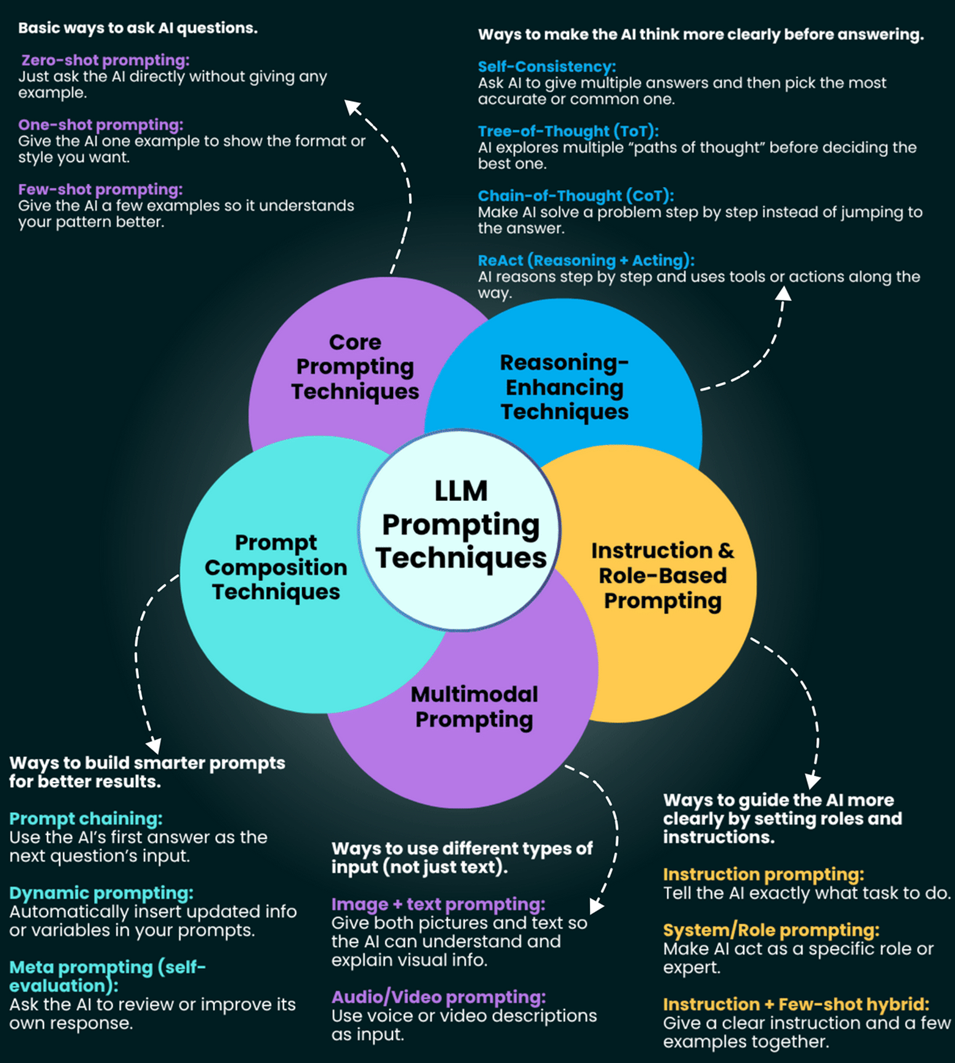
    𝐇𝐞𝐫𝐞’𝐬 𝐚 𝐛𝐫𝐞𝐚𝐤𝐝𝐨𝐰𝐧 𝐨𝐟 𝐭𝐡𝐞 𝐦𝐚𝐣𝐨𝐫 𝐋𝐋𝐌 𝐩𝐫𝐨𝐦𝐩𝐭𝐢𝐧𝐠 𝐭𝐞𝐜𝐡𝐧𝐢𝐪𝐮𝐞𝐬 𝐭𝐡𝐚𝐭 𝐜𝐚𝐧 𝐝𝐫𝐚𝐦𝐚𝐭𝐢𝐜𝐚𝐥𝐥𝐲 𝐥𝐞𝐯𝐞𝐥 𝐮𝐩 𝐲𝐨𝐮𝐫 𝐫𝐞𝐬𝐮𝐥𝐭𝐬:

    𝟏. 𝐂𝐨𝐫𝐞 𝐏𝐫𝐨𝐦𝐩𝐭𝐢𝐧𝐠 𝐓𝐞𝐜𝐡𝐧𝐢𝐪𝐮𝐞𝐬
    * Zero-shot prompting: Ask the AI directly without giving examples.
    * One-shot prompting: Provide one example to set the format or structure.
    * Few-shot prompting: Share multiple examples so the model understands your intent better.

    𝟐. 𝐑𝐞𝐚𝐬𝐨𝐧𝐢𝐧𝐠-𝐄𝐧𝐡𝐚𝐧𝐜𝐢𝐧𝐠 𝐓𝐞𝐜𝐡𝐧𝐢𝐪𝐮𝐞𝐬
    * Self-consistency: Ask for multiple answers, then select the most accurate or common.
    * Tree-of-Thought: Let the model explore different reasoning paths before finalizing.
    * Chain-of-Thought: Force step-by-step reasoning instead of direct answers.
    ReAct: Combine reasoning with tool usage or actions.

    𝟑. 𝐏𝐫𝐨𝐦𝐩𝐭 𝐂𝐨𝐦𝐩𝐨𝐬𝐢𝐭𝐢𝐨𝐧 𝐓𝐞𝐜𝐡𝐧𝐢𝐪𝐮𝐞𝐬
    * Prompt chaining: Use the AI’s previous response as the next input.
    * Dynamic prompting: Insert real-time or updated variables.
    * Meta prompting: Ask the AI to evaluate and improve its own output.

    𝟒. 𝐈𝐧𝐬𝐭𝐫𝐮𝐜𝐭𝐢𝐨𝐧 𝐚𝐧𝐝 𝐑𝐨𝐥𝐞-𝐁𝐚𝐬𝐞𝐝 𝐏𝐫𝐨𝐦𝐩𝐭𝐢𝐧𝐠
    * Instruction prompting: Give direct, clear instructions.
    * Role prompting: Ask the AI to act like a domain expert or specific persona.
    * Instruction + Few-shot: Combine clear instructions with examples for precision.

    𝟓. 𝐌𝐮𝐥𝐭𝐢𝐦𝐨𝐝𝐚𝐥 𝐏𝐫𝐨𝐦𝐩𝐭𝐢𝐧𝐠
    * Image + text prompting: Feed both text and visuals for richer context.
    * Audio/video prompting: Enable the model to interpret voice or video input.

    Prompting isn’t just an input trick. It’s a structured approach to guide the AI’s reasoning process and the difference shows in the quality of outputs.

    𝐖𝐡𝐢𝐜𝐡 𝐨𝐟 𝐭𝐡𝐞𝐬𝐞 𝐩𝐫𝐨𝐦𝐩𝐭𝐢𝐧𝐠 𝐬𝐭𝐫𝐚𝐭𝐞𝐠𝐢𝐞𝐬 𝐝𝐨 𝐲𝐨𝐮 𝐮𝐬𝐞 𝐦𝐨𝐬𝐭 𝐨𝐟𝐭𝐞𝐧 𝐢𝐧 𝐲𝐨𝐮𝐫 𝐰𝐨𝐫𝐤𝐟𝐥𝐨𝐰𝐬?

  • UNESCO Report: AI Reshaping Your Child’s Education Now

    UNESCO Report: AI Reshaping Your Child’s Education Now

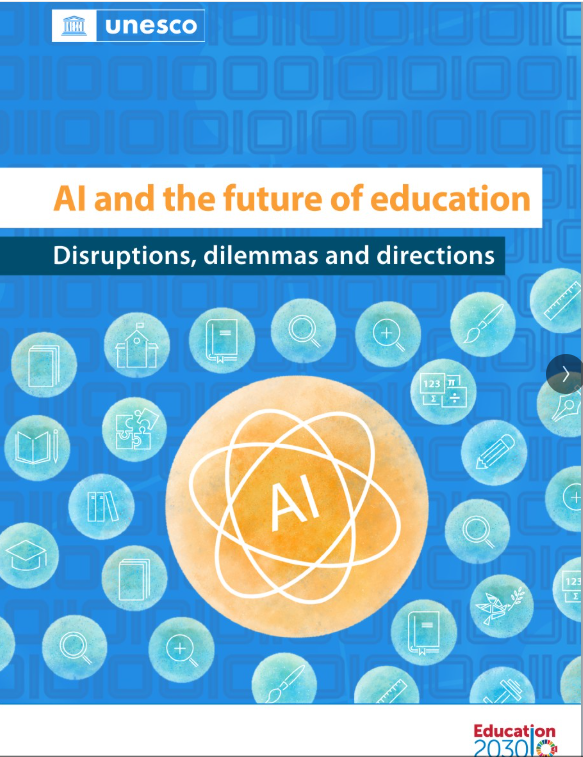
    UNESCO’s 160-page “AI and the Future of Education: Disruptions, Dilemmas and Directions” report reveals critical insights that will transform global education systems. Released at Digital Learning Week 2025 in Paris, this comprehensive analysis from 21 global experts outlines seven essential areas reshaping how we learn and teach.
    Key findings that demand immediate attention:

    90% of higher education professionals already use AI tools in their work
    One-third of humanity (2.6 billion people) remains offline, creating dangerous educational divides
    Only 34% of educators report positive experiences with AI-assisted assessments
    Two-thirds of institutions are scrambling to develop AI guidance frameworks

    The AI Education Revolution by the Numbers
    Current State of AI in Education

    90% of educators use AI tools professionally
    Nearly half experiment with AI in teaching
    Two-thirds of institutions are developing AI guidance
    Only 34% report positive experiences with AI-assisted assessments

    Global Digital Divide

    2.6 billion people lack internet access
    Access to cutting-edge AI models reserved for those with subscriptions and infrastructure
    Linguistic advantages determine which knowledge systems dominate AI education

    Investment Reality

    Half of institutions report awareness of AI tool spending
    Two-thirds focus investments primarily on research applications
    Growing investment in AI tools for teaching and student learning

    UNESCO’s 7 Critical Areas Transforming Education
    1. AI Futures in Education: Philosophical Provocations
    The Challenge: AI isn’t just changing test scores—it’s forcing us to fundamentally rethink what “knowing” means in human experience.
    Key Insights:

    Traditional measures of intelligence become obsolete when machines can outperform humans on standardized assessments
    The debate extends beyond technical capabilities to core questions of human identity and purpose
    Educational systems must define learning, progress, and human value in an AI-dominated world

    Strategic Implications:

    Curriculum design must prioritize uniquely human capabilities
    Assessment methods need complete overhaul beyond memorization and recall
    Philosophy and ethics become central to educational frameworks

    2. Debating the Powers and Perils of AI
    The Reality: AI adoption in schools and universities is not inevitable—education systems have choices, agency, and power to shape direction.
    Core Tensions:

    Opportunity for Reinvention vs. Risks of Over-Automation
    Personalized Learning vs. Cultural Bias Amplification
    Efficiency Gains vs. Human Connection Loss

    Critical Decisions Facing Educators:

    Whether to embrace AI as learning partner or maintain traditional methods
    How to balance automation benefits with human oversight needs
    When to implement AI solutions versus investing in human capabilities

    Action Framework:

    Deliberate choice-making rather than passive technology adoption
    Regular assessment of AI impact on learning outcomes
    Stakeholder involvement in AI implementation decisions

    3. AI Pedagogies, Assessment and Emerging Educational Futures
    The Warning: Classrooms cannot be reduced to data points—AI must respect the incomputable nature of learning.
    Critical Concerns:

    Hyper-Personalization Risks: Turning education into isolated bubbles rather than social dialogue
    Assessment Over-Automation: Losing human judgment in evaluating student progress
    Data Reduction: Treating complex learning processes as simple metrics

    New Pedagogical Approaches:

    AI-augmented collaborative learning environments
    Human-AI co-creation in knowledge development
    Balanced personalization that maintains social learning elements

    Assessment Revolution:

    Moving beyond standardized testing to competency demonstration
    Real-world problem-solving evaluation methods
    Continuous assessment through AI-human collaboration

    4. Revaluing and Recentering Human Teachers
    The Foundation: Teachers remain the backbone of education—AI should amplify their work, not sideline it.
    Strategic Approach: Building AI “with” educators, not “for” them, is the only path to trust and adoption.
    Teacher Empowerment Strategies:

    AI literacy training that builds confidence rather than replacement anxiety
    Collaborative AI development involving educator input at every stage
    Professional development focused on human-AI teaching partnerships

    Role Evolution for Educators:

    From information deliverers to learning facilitators and mentors
    AI tool curators and ethical AI use guides
    Human connection specialists in increasingly digital environments

    Support Systems Needed:

    Comprehensive AI training programs for current teachers
    Updated teacher preparation programs including AI collaboration skills
    Ongoing professional development as AI capabilities evolve

    5. Ethical and Governance Imperatives for AI Futures in Education
    The Requirement: AI in schools demands an ethics of care—transparent, fair, and accountable by design.
    Governance Principles:

    Governance cannot be outsourced to tech companies—it requires democratic oversight and public participation
    Educational institutions must maintain control over AI implementation decisions
    Community involvement essential in shaping AI education policies

    Essential Governance Framework:

    Transparency: Clear communication about AI use in educational settings
    Accountability: Responsible parties identified for AI-driven decisions
    Fairness: Equitable access and bias mitigation strategies
    Privacy: Student data protection and consent mechanisms

    Implementation Strategies:

    Multi-stakeholder committees including educators, students, parents, and community members
    Regular audits of AI systems for bias and effectiveness
    Clear policies on data use, storage, and sharing
    Student rights frameworks for AI-enhanced learning environments

    6. Confronting Coded Inequalities in Education
    The Challenge: AI can close divides—but only if it is localized, contextualized, and designed for inclusion.
    Risk Factors:

    Algorithmic bias perpetuating existing educational inequalities
    Resource disparities in AI access creating new forms of educational segregation
    Cultural bias in AI systems favoring dominant languages and perspectives

    Equity Strategies:

    Localization: AI systems adapted to local languages, cultures, and learning contexts
    Inclusive Design: Marginalized communities involved in AI development processes
    Resource Distribution: Ensuring equitable access to AI educational tools across socioeconomic lines

    Implementation Priorities:

    Bias detection and mitigation systems built into educational AI
    Culturally responsive AI that respects diverse learning traditions
    Support systems for under-resourced schools to access AI benefits

    7. Reimagining AI in Education Policy: Evidence and Geopolitical Realities
    The Imperative: Policy must keep pace with rapidly evolving AI capabilities while balancing human and machine intelligence integration.
    Policy Development Challenges:

    AI advancement speed outpacing regulatory frameworks
    International coordination needed for global education standards
    Balancing innovation promotion with risk management

    Evidence-Based Policy Framework:

    Regular assessment of AI impact on learning outcomes across diverse populations
    International collaboration on AI education best practices
    Flexible policy structures that can adapt to technological changes

    Geopolitical Considerations:

    National competitiveness in AI education capabilities
    International cooperation versus technological sovereignty
    Ensuring AI education policies support democratic values and human rights

    Global Implementation: Success Stories and Lessons
    Thailand’s AI Education Platform
    Initiative: Partnership between NetDragon and Thailand’s Ministry of Higher Education
    Scope: AI-powered vocational training aligned with “Education 6.0” strategy
    Focus Areas: AI, electric vehicles, and semiconductors
    Results: Nationwide platform supporting students and young professionals
    Open-Q Learning Ecosystem
    Model: “Learn-and-Earn” community where learners acquire job-ready skills
    Innovation: Educators rewarded for high-quality contributions
    Impact: Expanding shared knowledge base benefiting entire ecosystem
    Addressing Challenge: 29% increase in unemployment among bachelor’s degree holders aged 20-24
    UNESCO’s Global Framework
    Current Support: 58 countries supported in designing AI competency frameworks since 2024
    Resources Available:

    AI competency frameworks for teachers and students
    Guidance for generative AI in education and research
    Ethics of AI recommendations for educational use

    Measuring AI Education Success
    Key Performance Indicators
    Adoption Metrics:

    Percentage of educators confidently using AI tools
    Student engagement levels in AI-enhanced learning
    Institutional AI literacy program completion rates

    Equity Indicators:

    Access rates across different socioeconomic groups
    Performance gap changes between advantaged and disadvantaged students
    Cultural representation in AI educational content

    Learning Outcome Measures:

    Critical thinking skill development
    Collaboration and communication improvement
    Real-world problem-solving capability enhancement

    Assessment Evolution
    Traditional Assessment Limitations:

    Only 34% of educators report positive experiences with AI-assisted assessments
    Standardized testing inadequate for measuring AI-enhanced learning
    Need for new evaluation methods that capture human-AI collaboration skills

    New Assessment Approaches:

    Portfolio-based evaluation of student work and AI collaboration
    Real-world project assessments demonstrating applied learning
    Peer evaluation systems that include human and AI feedback

    Overcoming Implementation Challenges
    Technical Infrastructure Barriers
    Digital Divide Issues:

    Internet connectivity requirements for AI education tools
    Device access disparities between schools and regions
    Technical support needs for AI implementation

    Solutions Strategy:

    Phased implementation beginning with basic connectivity
    Public-private partnerships for infrastructure development
    Regional AI education hubs serving multiple institutions

    Human Resistance Factors
    Educator Concerns:

    Job security fears related to AI automation
    Lack of confidence in AI tool effectiveness
    Time investment required for AI skill development

    Student and Parent Worries:

    Privacy concerns about AI data collection
    Academic integrity questions with AI assistance
    Long-term impact uncertainty on career preparation

    Mitigation Approaches:

    Transparent communication about AI’s role as augmentation, not replacement
    Comprehensive training programs building AI literacy confidence
    Clear policies on appropriate AI use in academic work

    Governance and Policy Gaps
    Regulatory Challenges:

    Lack of comprehensive AI education regulations
    International coordination difficulties
    Rapid technological change outpacing policy development

    Framework Development:

    Multi-stakeholder policy development processes
    Regular policy review and update mechanisms
    International cooperation on AI education standards

    Building AI-Ready Educational Institutions
    Immediate Actions (Next 6 Months)
    Infrastructure Assessment:

    Evaluate current technological capabilities and gaps
    Assess educator AI literacy levels and training needs
    Review existing policies for AI integration readiness

    Stakeholder Engagement:

    Form AI education committees including all stakeholders
    Conduct community forums on AI in education priorities
    Establish partnerships with AI education technology providers

    Medium-Term Strategy (6-18 Months)
    Program Development:

    Launch comprehensive AI literacy programs for educators
    Pilot AI-enhanced learning initiatives in selected subjects
    Develop institutional AI ethics and governance frameworks

    Curriculum Integration:

    Update curriculum standards to include AI collaboration skills
    Create interdisciplinary projects utilizing AI tools
    Establish assessment methods for AI-enhanced learning

    Long-Term Vision (2-5 Years)
    Institutional Transformation:

    Full integration of AI tools across all educational programs
    Established AI education research and development capabilities
    Leadership position in ethical AI education implementation

    Global Collaboration:

    Participation in international AI education initiatives
    Sharing of best practices and lessons learned
    Contribution to global AI education standards development

    The Future Landscape: What’s Coming Next
    Emerging Technologies in Education
    Advanced AI Capabilities:

    Multimodal AI systems combining text, voice, and visual learning
    Emotional intelligence AI for personalized learning support
    Predictive analytics for early intervention in learning difficulties

    Integration Opportunities:

    Virtual and augmented reality enhanced by AI
    Internet of Things devices providing real-time learning data
    Blockchain systems for secure credential verification

    Workforce Preparation Evolution
    New Skill Requirements:

    Human-AI collaboration capabilities
    Ethical AI use and evaluation skills
    Continuous learning and adaptation abilities

    Career Path Changes:

    AI education specialist roles emerging
    Traditional teaching roles evolving with AI integration
    New categories of human-AI hybrid professions developing

    Strategic Recommendations for Education Leaders
    For Policymakers
    Immediate Priorities:

    Develop National AI Education Strategies aligned with UNESCO frameworks
    Invest in Digital Infrastructure ensuring equitable access across regions
    Create Flexible Regulatory Frameworks that can adapt to technological changes
    Foster International Collaboration on AI education standards and best practices

    For Educational Institutions
    Implementation Framework:

    Start with Pilot Programs in selected departments or grade levels
    Invest in Educator Training with comprehensive AI literacy programs
    Establish Ethics Committees for AI use oversight and guidance
    Build Community Partnerships involving parents and local stakeholders

    For Educators
    Professional Development Focus:

    Develop AI Literacy through hands-on training and experimentation
    Explore AI Tools relevant to your subject area and teaching style
    Join Professional Networks focused on AI in education
    Advocate for Support in AI integration efforts within your institution

    Conclusion: Shaping Education’s AI Future
    UNESCO’s comprehensive report makes one thing crystal clear: the future of education will be determined by the choices we make today about AI integration, not by the technology itself.
    Key Takeaways for Education Leaders
    1. Human-Centered Approach: AI integration must be human-centered, equitable, safe, and ethical to succeed in educational environments.
    2. Teacher Empowerment: Success depends on building AI capabilities “with” educators rather than imposing technological solutions upon them.
    3. Equity Focus: Without deliberate action to ensure inclusive access, AI will exacerbate existing educational inequalities rather than solving them.
    4. Governance Priority: Democratic oversight and community participation are essential for responsible AI implementation in education.
    5. Continuous Evolution: AI education strategies must be flexible and adaptive to keep pace with rapid technological advancement.
    Your Next Steps

    Access UNESCO’s complete 160-page report and supporting resources
    Assess your institution’s AI readiness using UNESCO’s frameworks
    Join Digital Learning Week discussions and international AI education networks
    Begin stakeholder conversations about AI integration priorities and concerns
    Develop pilot programs that prioritize human values alongside technological capabilities

    The transformation of education through AI is not a distant possibility—it’s happening now. Educational leaders who engage thoughtfully with UNESCO’s frameworks and recommendations will shape learning environments that harness AI’s potential while preserving the human elements that make education transformative.
    The question isn’t whether AI will change education, but whether we’ll guide that change toward equitable, ethical, and human-centered outcomes that benefit all learners.

  • I Used AI to Recreate the Taj Mahal. The Model Crashed Twice. Here’s Why That’s the Point.

    I Used AI to Recreate the Taj Mahal. The Model Crashed Twice. Here’s Why That’s the Point.

    I Used AI to Recreate the Taj Mahal. The Model Crashed Twice. Here’s Why That’s the Point.

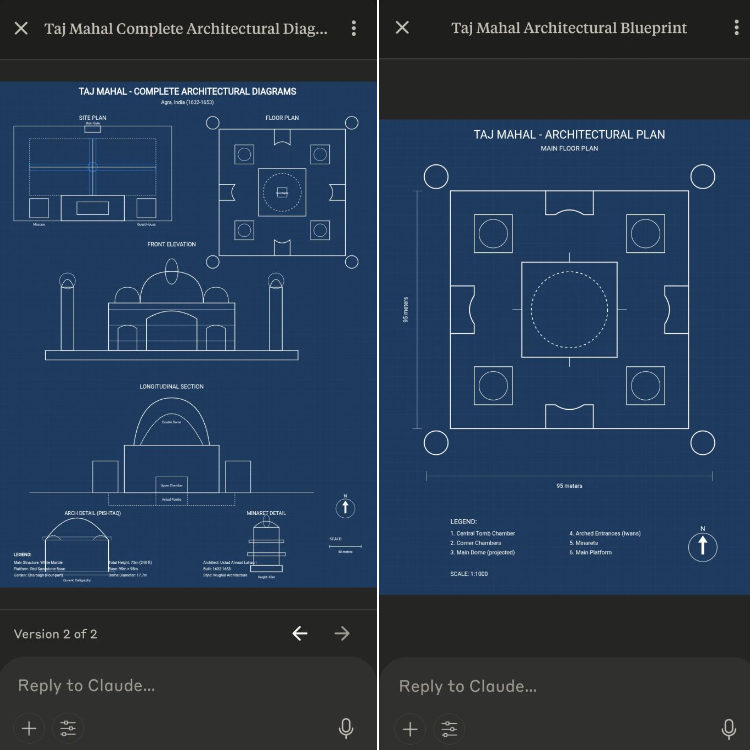
    A few nights ago, I fed a ridiculous prompt to an AI model.

    “Design the architectural blueprints of the Taj Mahal.”

    And it did.

    Domes. Minarets. Symmetry. The AI creativity surpassed what even textbooks capture, bringing architectural precision to life through artificial intelligence.

    Then I got ambitious—and asked it to draft an entire project plan.

    Dependencies, timelines, labor estimates, procurement schedules—like a 17th-century Jira board. It crashed my language model. Twice.

    And yet, that crash told me more than any success could.

    This Wasn’t a Stunt. It Was a Stress Test.

    Because the Taj Mahal isn’t just a building. It’s a metaphor.

    It was commissioned with vision, executed with rigor, and built on method. And that’s exactly what AI is made for.

    We keep looking at AI as if it’s magic—some genie that writes poems, cracks jokes, or designs logos. But that’s the performance art version of artificial intelligence.

    What AI creativity really excels at is something deeper, quieter:

    Reconstructing anything that’s built on rules, repetition, and structure through artificial intelligence.

    • Architecture and creative design
    • HR dashboards and analytics
    • Financial reports and forecasting
    • Onboarding journeys and user experience
    • SOP documents and process automation
    • Learning paths and educational content
    • Even your Monday sales forecast powered by AI

    If it follows a logic, it can be reimagined through AI creativity.

    That’s not scary. That’s liberating.

    Creativity Was Never in Danger. Routine Disguised as Creativity Is.

    There’s a certain kind of “creativity” we’ve all been guilty of—work that artificial intelligence now exposes for what it really was.

    The PowerPoint slide deck with four mandatory bullet points. The recruitment email template slightly reworded for the hundredth time. The policy document that just adds last year’s change log in a different font.

    We called it knowledge work. But really, it was structured imitation. Stylized repetition. Creativity-by-format that AI creativity can now handle with ease.

    And artificial intelligence eats that for breakfast.

    Because it doesn’t get tired. It doesn’t need inspiration. And it certainly doesn’t care about formatting rules from 2006.

    The Blueprint Has Changed.

    This isn’t about layoffs or fears. It’s about clarity.

    If AI can create the blueprint of one of the world’s greatest architectural wonders through artificial intelligence creativity— what else can it recreate in your workflow?

    Think of every job that relies on:

    • Predictable rules
    • Set steps
    • Standardized outputs
    • Repeatable logic
    • Well-documented inputs

    That’s not creative chaos. That’s operational discipline. And that’s precisely what artificial intelligence can do better, faster, and more reliably than human creativity alone.

    This isn’t a call to fear. It’s a call to focus.

    Are You Still Drawing With the Old Pencil?

    Because the blueprint is different now.

    It doesn’t start on graph paper. It starts with a prompt—where human creativity meets artificial intelligence.

    You don’t need to be an AI engineer. You just need to understand your own workflow deeply enough to hand it over to a machine—and know what creative elements to keep for yourself.

    AI won’t replace your vision or creative thinking. But it will quietly take over everything that pretended to be creative but was really just habit.

    The Taj Mahal didn’t need artificial intelligence to exist. But today, it needs AI creativity to be explained, replicated, and scaled in seconds.

    What else in your world is waiting to be reimagined?

  • AI Adoption Is Broken—Not Because of Tech, But Because of Thinking

    The empire isn’t falling because it lacks lightsabers. It’s crumbling because its generals still fight with spears.

    That’s the state of AI adoption today.

    Executives flaunt ChatGPT subscriptions like luxury watches. Strategy decks hum with AI ambition. But when it comes to impact?

    McKinsey says 70% of firms “use AI.” Only 23% see real ROI. That’s not a tech failure. That’s a leadership failure in disguise.

    Let’s call it what it is: Most companies are stuck in net practice.

    They’ve bought the bat (ChatGPT), hired the coach (consultants), but haven’t played a real match. No scoreboard. No crowd. No wickets.

    1. Don’t Delegate the Force. Wield It.

    Imagine Luke Skywalker outsourcing lightsaber training to a team of interns. That’s what most leaders are doing with AI.

    They’ve built AI labs, hired innovation heads, and… kept writing board notes the same way they did in 2017.

    If you’re a CXO reading this: Use GPT to rewrite your board note. Automate your own Monday morning sales report. Build a Slackbot that summarizes your team’s weekly huddles.

    If AI feels magical, you’re not using it enough.

    1. Build Skills Like You Build IPL Squads

    The winning team doesn’t rely on a single star. It invests in depth.

    Your org doesn’t need 5 AI unicorns. It needs 50 employees who can:

    • Write clear prompts
    • Automate recurring tasks
    • Audit GPT’s output for bias
    • Use AI in their daily workflow without waiting for permission

    HBR says teams with basic AI fluency are 40% more productive.

    Not because they “understand AI,” but because they make it a reflex. It’s not a masterclass. It’s muscle memory.

    Forget three-day bootcamps. Run weekly show-and-tells. Reward smart automations. Make prompt-writing a team sport.

    1. Stop Spinning the Wheel. Break It.

    AI isn’t here to speed up legacy mess. It’s here to ask: Why does this even exist?

    • Don’t automate a 6-step approval. Kill the unnecessary steps.
    • Don’t summarize a pointless meeting. Cancel it.
    • Don’t use AI as a fancy pen. Use it as a lightsaber.

    Stanford research shows structured AI enablement leads to 3.4x faster adoption. Not because teams got smarter. Because the rules got rewritten.

    The future won’t reward those who do old things faster. It’ll reward those who ask better questions.

    You Don’t Need a Head of AI

    You need someone who can rethink clunky workflows. Someone hands-on with tools. Someone bold enough to challenge the process—not just follow it.

    More than strategy, you need action. More than pilots, you need momentum.

    Start small. Win fast. Share often. Build internal capability, not just external dependency.

    Let me know if you want the full playbook, ready-to-use workflows, or team templates to get started.

    Because no transformation happens alone.

  • What Are AI Agents? And Why They’re Not Just Fancy Chatbots

    What Are AI Agents? And Why They’re Not Just Fancy Chatbots

    What is an AI Agent?

    An AI agent is a software system that can autonomously perceive inputs, reason through options, take actions, and improve its behavior over time — all in service of achieving a specific goal.

    Unlike traditional programs or assistants, AI agents are proactive and goal-driven. They:

    • Interpret user intent,
    • Break down complex tasks,
    • Use external tools (e.g., APIs, databases),
    • Execute sequences of actions, and
    • Learn from outcomes to optimize performance.

    In short, they don’t just answer questions. They solve problems. Continuously, intelligently, and often independently.


    AI Agent vs. Assistant vs. Bot: A Clear Distinction

    FeatureAI AgentAI AssistantBot
    PurposeAutonomously and proactively perform tasksAssist users with tasksAutomate simple tasks or conversations
    CapabilitiesHandles complex, multi-step actions; learns, adaptsResponds to prompts, provides helpFollows pre-defined rules; limited interactions
    InteractionProactive; goal-drivenReactive; user-ledReactive; rule-based
    AutonomyHigh — acts independently to achieve goalsMedium — assists but relies on user directionLow — operates on pre-programmed logic
    LearningEmploys machine learning to adapt over timeSome adaptive featuresUsually static; no learning capability
    ComplexityHigh — solves enterprise-grade problemsMedium — supports workflowsLow — designed for repetitive tasks

    Most people still confuse assistants with agents. But think of it this way:

    • A bot asks, “How can I help you?”
    • An assistant says, “Here’s how I can help.”
    • An agent just gets it done — often before you even ask.

    How Do AI Agents Actually Work?

    AI agents follow a dynamic loop that mimics high-functioning human workflows:

    1. Perception

    They take in prompts or triggers (text, voice, system events) and understand them using natural language processing and contextual analysis.

    2. Planning

    Based on your intent, they break down tasks and decide what to do, which tools to use, and in what sequence.

    3. Execution

    They perform actions — calling APIs, writing emails, scraping data, querying databases, updating spreadsheets — whatever it takes.

    4. Observation

    Agents track the outcome of each action and adjust their next step accordingly.

    5. Learning

    Over time, agents evolve. They analyze feedback and improve how they work — just like a new hire becoming a top performer.


    So Why Is This a Big Deal?

    Because it changes what software means.

    For the first time, we don’t need to use tools. We can hire them.

    And in the next post, we’ll explore exactly how agents “think” — and how two major agent paradigms, ReAct and ReWOO, are shaping the future of autonomous systems.


    📌 Stay tuned: Next up — ReAct vs. ReWOO: How AI Agents Actually Think

  • Your Complete Guide Through the AI Jungle: From LLMs to Agentic AI

    Your Complete Guide Through the AI Jungle: From LLMs to Agentic AI

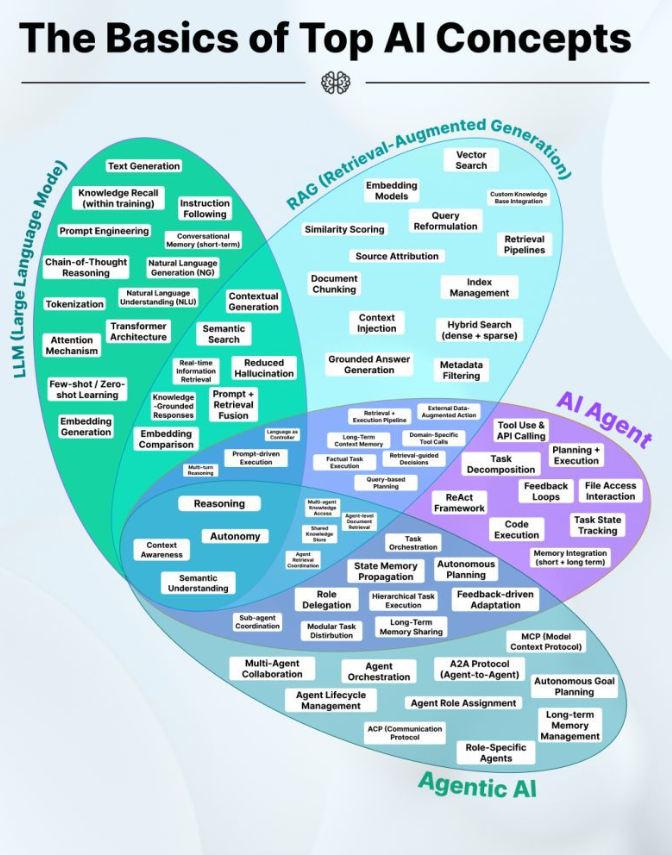
    The AI landscape isn’t a jungle of competing technologies—it’s a carefully architected intelligence stack that every enterprise needs to understand. After implementing AI systems across Fortune 500 companies, I’ve seen firsthand how the most successful organizations treat GenAI as layered infrastructure, not isolated tools.

    Let me break down the four-layer architecture that’s transforming how businesses operate.

    Layer 1: Large Language Models (The Foundation)

    Think of LLMs as your AI’s brain stem—they handle the core language processing that everything else builds on.

    What LLMs Actually Do:

    • Tokenize your text into processable chunks

    • Embed language into mathematical representations

    • Generate coherent, contextual responses

    • Follow instructions with remarkable accuracy

    • Reason through complex problems

    Reality Check: LLMs are incredibly powerful but fundamentally limited. They can’t access real-world data, can’t take actions, and can’t learn from new information. They’re pure language intelligence—nothing more, nothing less.

    Enterprise Applications That Work Right Now:

    • Content generation (I’ve seen 70% time savings in marketing teams)

    • Code completion and documentation

    • Initial customer service responses

    • Data analysis and report generation

    Layer 2: Retrieval-Augmented Generation (The Knowledge Bridge)

    RAG is where LLMs stop hallucinating and start being useful. It connects your AI to real, current information.

    Here’s what RAG actually fixes:

    The Hallucination Problem: LLMs confidently make up facts. RAG grounds responses in your actual data, reducing hallucinations by up to 85% in our implementations.

    How RAG Transforms Your AI:

    • Vector search finds semantically similar content across millions of documents

    • Document chunking breaks your knowledge base into searchable pieces

    • Source grounding links every response back to specific information

    • Real-time access to live databases and APIs

    Game-Changing Use Cases:

    • Internal knowledge management (one client reduced support ticket resolution time by 60%)

    • Compliance and regulatory guidance with audit trails

    • Customer support with product-specific accuracy

    • Research and competitive intelligence

    Layer 3: AI Agents (Where Talk Becomes Action)

    This is where things get interesting. AI Agents are where your AI stops talking and starts doing.

    What Makes Agents Different:

    • Planning: Breaking complex tasks into executable steps

    • Tool usage: Actually calling APIs and interacting with systems

    • State management: Remembering context across multi-step processes

    • Decision making: Choosing the right action based on current situation

    Real Impact: One manufacturing client uses AI agents to manage their entire supply chain exception handling. What used to take hours of human coordination now happens in minutes, automatically.

    Enterprise Agent Applications:

    • Process automation end-to-end

    • Customer journey orchestration

    • IT operations and incident response

    • Sales pipeline management

    Layer 4: Agentic AI (The Orchestration Layer)

    Agentic AI is where multiple intelligent agents collaborate, assign roles, share memory, and pursue complex goals together.

    This isn’t science fiction—it’s happening now in leading enterprises.

    What Agentic AI Enables:

    • Multi-agent collaboration across different business functions

    • Dynamic role assignment based on expertise and workload

    • Shared memory systems creating institutional knowledge

    • Goal adaptation as situations evolve

    • Autonomous coordination without human intervention

    Success Story: A financial services firm uses agentic AI to manage their entire trading operations. Multiple specialized agents handle market analysis, risk assessment, execution, and reporting—collaborating in real-time to optimize portfolio performance.

    How The Complete Stack Works Together

    Here’s a real-world example from customer service:

    1. LLM Layer: Understands customer inquiry in natural language

    2. RAG Layer: Retrieves relevant product documentation and customer history

    3. Agent Layer: Routes tickets, schedules follow-ups, escalates when needed

    4. Agentic Layer: Coordinates across support, billing, and technical teams automatically

    Result: 78% of customer issues resolved without human intervention, 45% faster resolution times.